
All amiibo-Compatible Games – Complete Overview of Bonuses and Gameplay Integration
amiibo-Compatible Video Games – Functional Value and Notable Unlocks
Wii U Titles
Super Smash Bros. for Wii U – Figures create AI-controlled fighters that can be trained and leveled up to level 50. The defining feature is persistent character development stored inside the figure itself.
Mario Kart 8 – Unlocks exclusive Mii racing suits based on scanned characters. The most visible bonus is the character-themed racing gear collection.
Captain Toad: Treasure Tracker – Unlocks bonus Pixel Toad hide-and-seek challenges. The added gameplay stages are the key feature.
Hyrule Warriors – Grants weapons, materials, and sometimes rare items. The notable bonus is access to higher-tier weapon drops early in progression.
Super Mario Maker – Unlocks Mystery Mushroom costumes transforming Mario into classic characters. The variety of playable character skins stands out here.
Nintendo 3DS Titles
Super Smash Bros. for Nintendo 3DS – Same AI fighter training functionality as the Wii U version. Persistent leveling remains the core value.
Fire Emblem Fates – Summons scanned characters into battle as playable units. The major bonus is temporary access to legacy heroes inside tactical combat.
Animal Crossing: Happy Home Designer – Unlocks additional villagers and design requests. The largest benefit is expanded character access.
Kirby: Planet Robobot – Grants copy abilities based on scanned characters. The practical bonus is additional combat variation.
Nintendo Switch Titles
The Legend of Zelda: Breath of the Wild – Unlocks exclusive equipment pieces inspired by past Zelda titles. The most notable bonus is access to unique armor sets such as the Fierce Deity outfit.
The Legend of Zelda: Tears of the Kingdom – Similar functionality with paraglider fabrics and legacy weapons. Exclusive cosmetic fabrics are the key highlight.
Super Smash Bros. Ultimate – Full AI training functionality continues. The long-term progression system remains one of the deepest integrations of amiibo in any title.
Mario Kart 8 Deluxe – Unlocks Mii racing suits as in the Wii U version. The bonus remains cosmetic but visually distinct.
Splatoon 2 and Splatoon 3 – Unlock exclusive gear sets and allow outfit saving. The standout feature is complete gear bundles tied to specific figures.
Animal Crossing: New Horizons – Enables inviting specific villagers via amiibo cards. The main benefit is direct resident selection without random encounters.
Metroid Dread – Grants additional energy tanks or missile capacity. The gameplay effect is measurable early survivability increase.
Fire Emblem Engage – Unlocks music tracks and cosmetic elements inspired by legacy entries. The strongest bonus is access to classic soundtrack pieces.
Largest Gameplay Impact Observed
Across all compatible games, the most substantial functional integration remains the AI fighter training system in Super Smash Bros. titles. The figure stores battle data, evolves in strength, and adapts to player habits. It moves beyond simple item unlocks and becomes an evolving training partner.
In terms of single unlockable reward, exclusive armor sets in Breath of the Wild stand out for long-term utility and distinct appearance. They influence combat stats and visual identity simultaneously.
Conclusion
amiibo compatibility spans fighting games, racing titles, tactical RPGs, platformers, and life simulations. The added value ranges from cosmetic skins to persistent AI systems. While many bonuses are modest, certain integrations—especially in Super Smash Bros. and The Legend of Zelda—demonstrate deeper mechanical involvement. The figures function as more than collectibles. In selected titles, they become part of the game system itself.
Related Articles
amiibo Not Working? The No-Drama Troubleshooting Checklist
Most Amiibo issues are simple: wrong menu timing, daily limits, or interference. Use this checklist to fix scan problems without guessing.
amiibo Basics: What They Are, How They Work, and What You Actually Get
amiibo are NFC figures that trigger game-specific rewards. Learn how they work, what they store, and why expectations matter more than hype.
amiibo Checklist for Sellers: How to List and Sell Without Buyer Drama
If you sell Amiibo, clarity sells faster. Use this seller checklist: photos, condition language, packaging grading, and how to price without backlash.
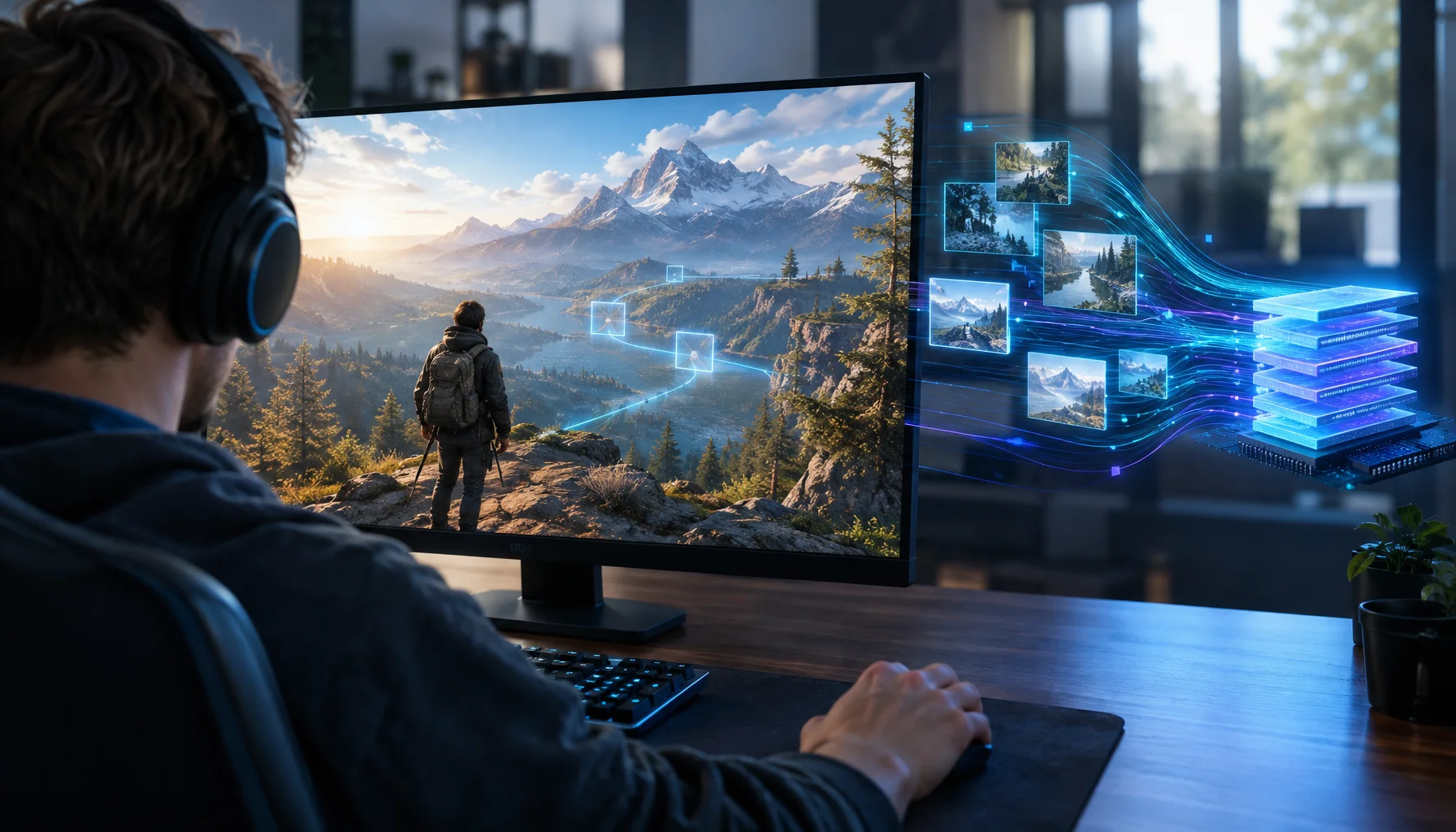
What If a Game Could Predict Its Next Memory Access? AI Prefetching and the Future of Stutter
Game engines already know where the player, camera and world are going. Research shows learned GPU prefetching can predict memory pages. What happens if those ideas are combined?
Upcoming Nintendo amiibo – New Figures, Release Windows and Functional Significance
amiibo are physical figures equipped with NFC chips that communicate with Nintendo consoles. They unlock in-game items, cosmetic elements, or small gameplay functions in compatible titles. This catalog overview focuses on officially announced upcoming amiibo, their expected release windows, their functional value, and their position within the broader wave structure.
amiibo: Ritual, Play Value, and Collecting
A complete Amiibo pillar: editions, regions, grading, care, display, and in-game use — built for collectors and players.
amiibo Unlock Types: Cosmetics, Items, Characters, and Save Data (What to Expect)
amiibo unlocks are not universal. This guide explains the common unlock types, how daily limits work, and how to avoid buying for the wrong expectation.
amiibo Games Compatibility: What Works, What Unlocks, and How to Check Fast
Not every game uses Amiibo the same way. Use this fast checklist to verify compatibility, unlock type, and scan limits before buying.
Beyond Scanning – Creative Uses and Modifications of amiibo"
amiibo are NFC-equipped character figures released by Nintendo since 2014. Technically, they are small data carriers inside molded plastic figures. In practice, they sit somewhere between toy, collectible, and interface device. Scanning them into a console is only one part of their life cycle. Observed over the years, many owners treat them as objects with their own creative potential.
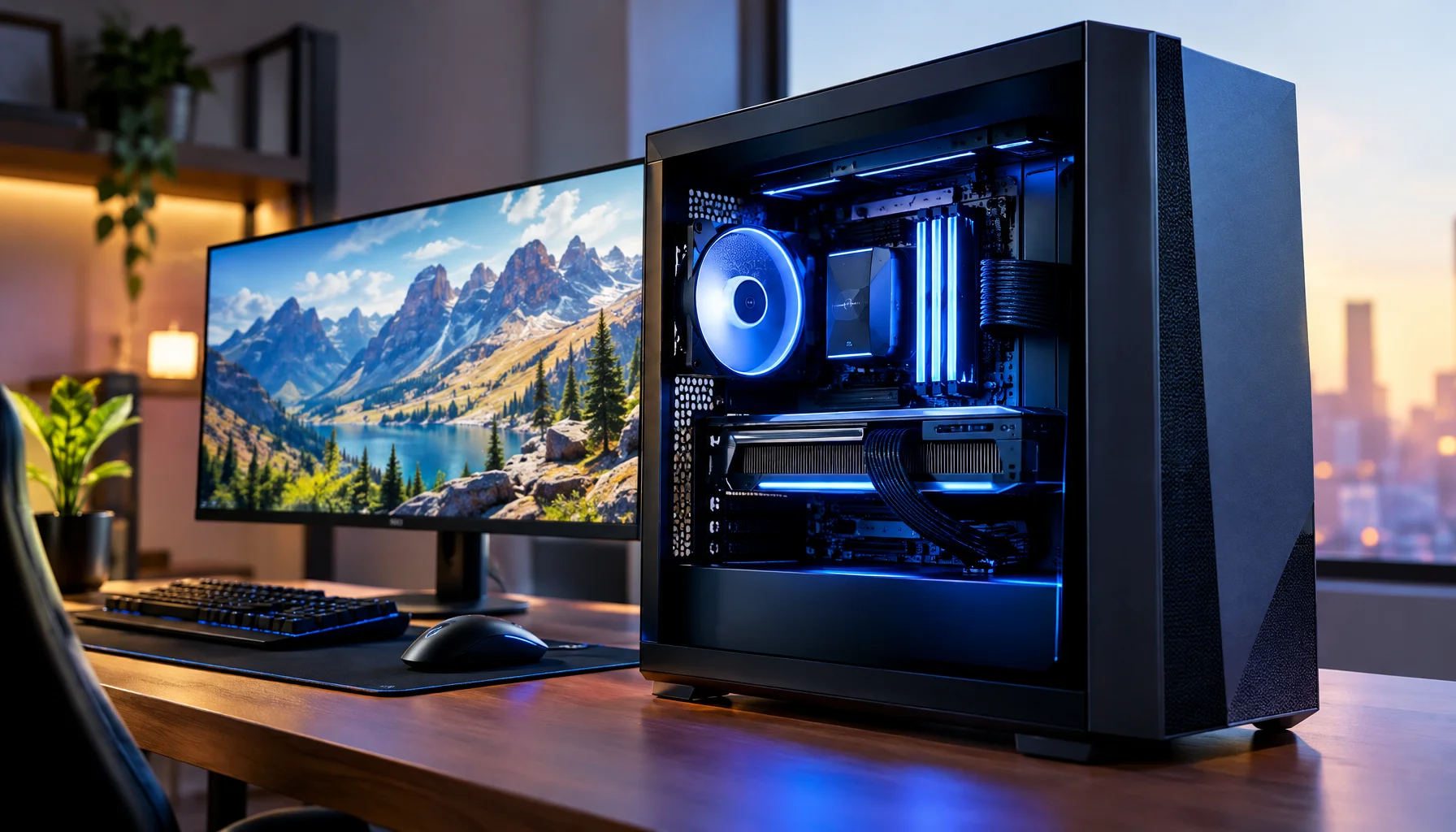
What Would a Spark-Like Gaming PC Actually Change? Unified Memory, AI Compute and the Classic GPU Split
amiibo Collecting and Grading: Condition, Sealed vs Open, Storage, and Display
A practical collecting system: define your goal, choose sealed or open, grade consistently, and protect against UV, humidity, and shelf damage.
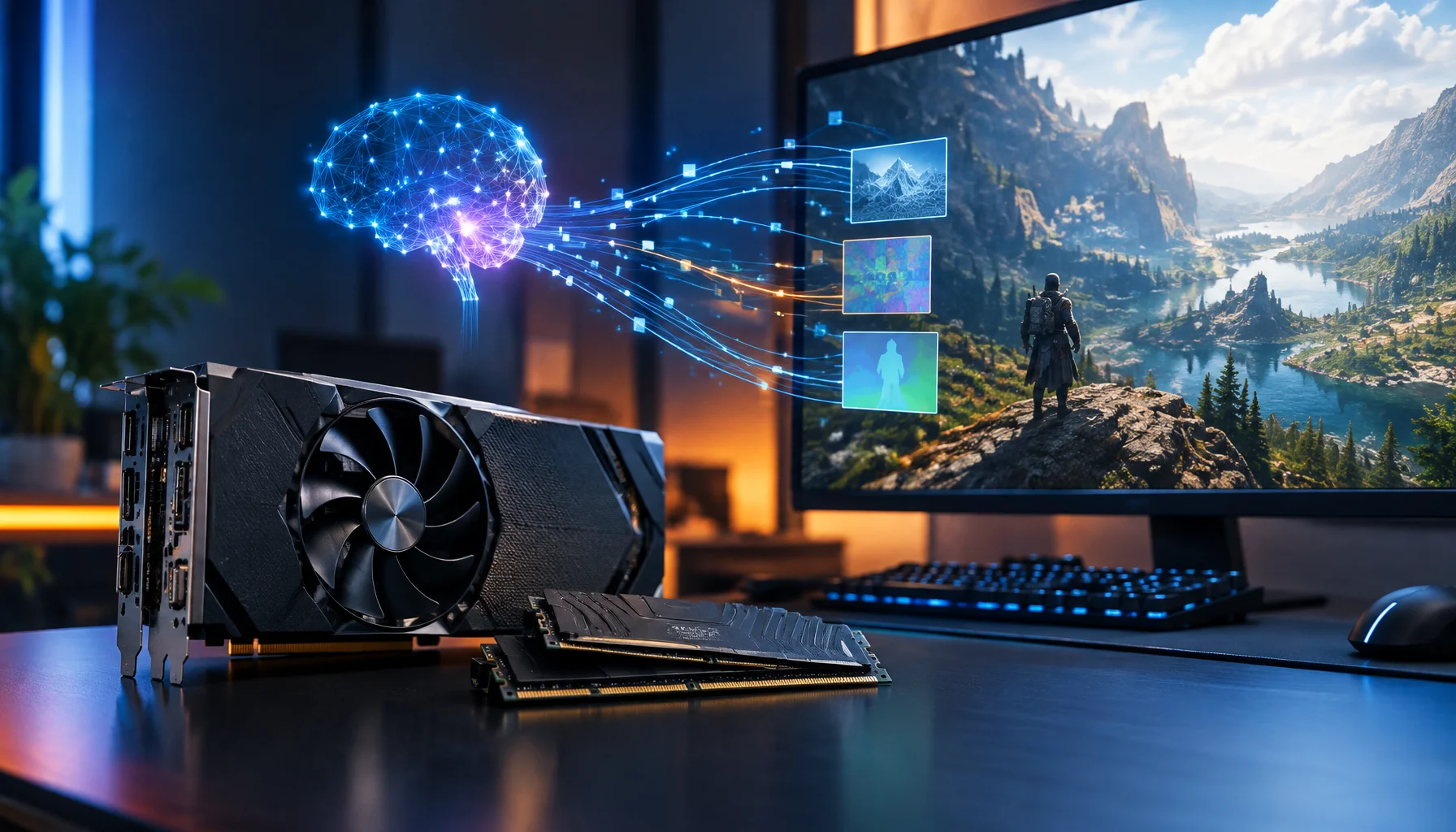
Render Less, Infer More: Is AI Breaking the Traditional Gaming Hardware Upgrade Cycle?
AI is making high-performance silicon and memory more valuable outside gaming while also giving games new ways to render, compress and predict. This analysis asks whether those two trends are converging into a new hardware model.