
Ethernet vs Wi-Fi for Gaming: When Wi-Fi Is Enough and When It Isn’t
The real question is stability under load. Wi-Fi fails as spikes and micro-stutters, not just disconnects. Ethernet reduces variables: interference, distance, and retransmits.
Decision Checklist
- If you see spikes when others stream/upload → prefer Ethernet.
- If distance/obstacles are high → Ethernet or relocate router.
- If you play competitive ranked → Ethernet whenever possible.
- If casual and stable under real load → Wi-Fi can be fine.
Rule: choose the option that reduces variables, not the one with higher speed numbers.
Related Guides
Wi-Fi Stability RulesReduce spikes before buying gear.
Queue ManagementBufferbloat under load.
Ping vs Jitter vs BufferbloatConsistency beats averages.
End-to-End DiagnosisNetwork is one part of feel.
Related Articles
Audio Chain for Gaming: One Clean Layer at a Time (No Stacking)
If direction feels wrong, you’re probably stacking processing. This guide shows a clean audio chain and the one-layer rule that restores readable footsteps.
Ethernet vs Wi-Fi for Gaming: The Honest Stability Tradeoff
Speed is not the main issue. Stability is. Ethernet usually wins because it reduces spikes. Use this guide to decide when Wi-Fi is enough and when it isn’t.
Router Checklist for Gaming: Settings That Actually Change Stability
Most router ‘gaming’ features are noise. This checklist focuses on what actually changes feel: queue management, stable Wi-Fi, and avoiding load spikes.
Storage Streaming Stutter Fixes: When Assets Can’t Keep Up
Streaming stutter happens when new areas load: storage, decompression, or asset streaming limits. Use this fix order before you drop every graphics setting.
Audio EQ Minimalism: Small Changes That Improve Footstep Readability
EQ can help, but big curves often destroy distance and direction cues. Use minimal moves to improve footsteps without turning audio into mush.
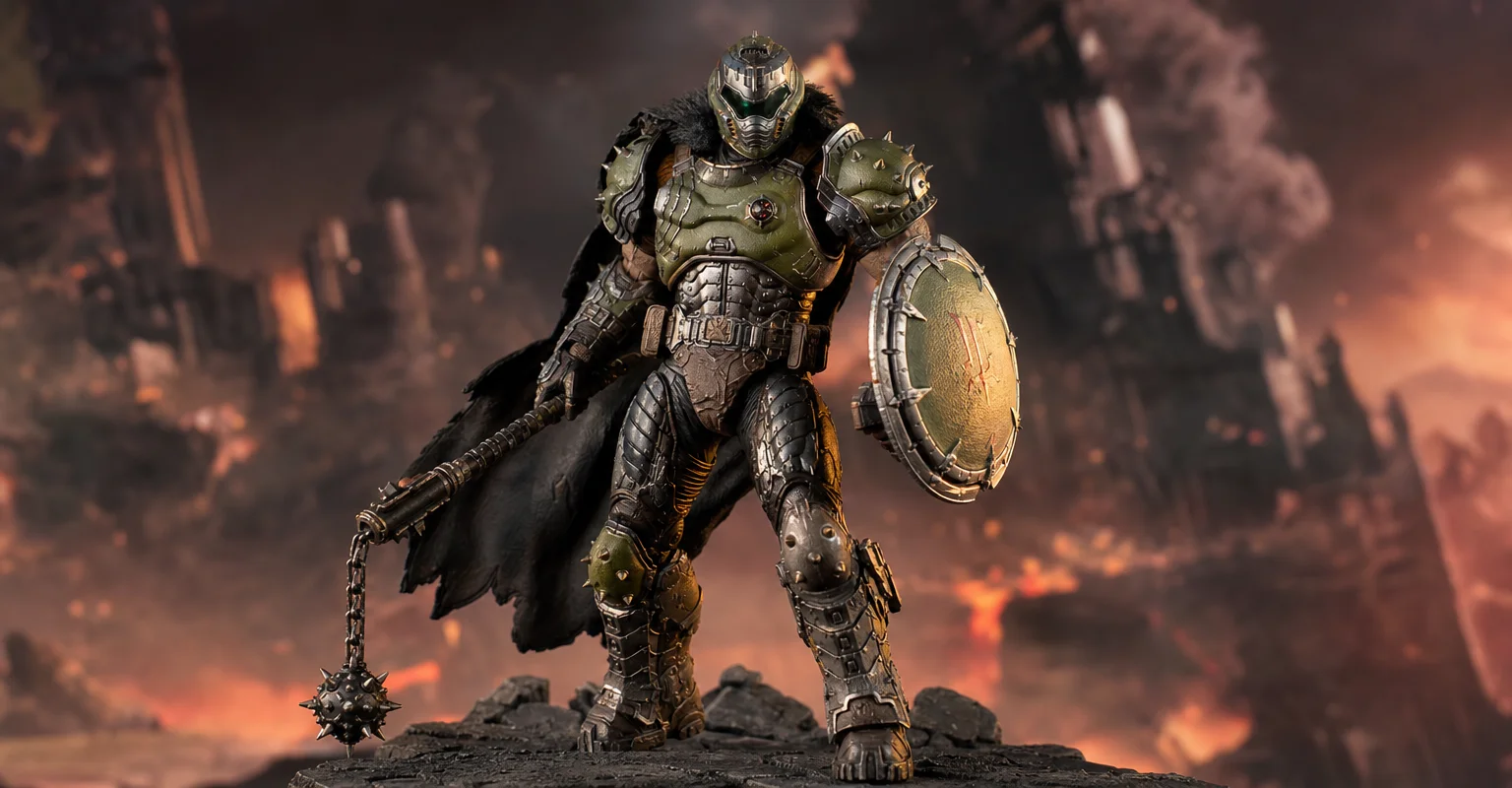
Pre-Order Alert: Good Smile Company Figma Doom: The Dark Ages – Doom Slayer DX Edition
The new Good Smile Company Figma Doom: The Dark Ages Doom Slayer DX Edition is more than a routine figure drop. It connects collector demand, franchise identity, and the wider appeal of Doom as one of gaming’s most durable icons.
CPU-Bound Stutter Deep: Why FPS Can Look Fine but Feel Terrible
CPU spikes create uneven frametimes that you feel as micro-stutter, heavy aim, and inconsistent motion. Learn the signs and the fix order that restores stable feel.
Fix Input Lag Fast (PC & Console): The No-Placebo Checklist
Stop chasing myths. This checklist targets the real causes of heavy feel: display processing, unstable pacing, render queue buffering, and background spikes.
Shader Cache Reality: What It Fixes, What It Doesn’t, and Why Stutter Returns
Shader cache can reduce repeated compilation stutter, but it won’t fix CPU spikes or streaming hitches. Learn what it really does and how to test properly.
Ethernet Facts for Gaming: Cables, Ports, and the Myths That Waste Money
Ethernet improves stability, but you don’t need expensive ‘gaming’ cables. Learn the practical cable/port facts that matter for low-latency consistency.
Motion Clarity for Gaming: Blur Sources and the Fix Order That Works
Motion clarity isn’t one setting. Blur comes from multiple sources. Use this fix order to improve readability without adding latency or artifacts.
HDR Calibration Pitfalls: Why HDR Looks Dim or Washed Out
HDR looks bad when the baseline is wrong: mode mismatch, skipped calibration, dynamic processing, or wrong black/white levels. Fix the pitfalls in order.