
amiibo Storage and Display: UV, Humidity, Dust, and Shelf Damage Rules
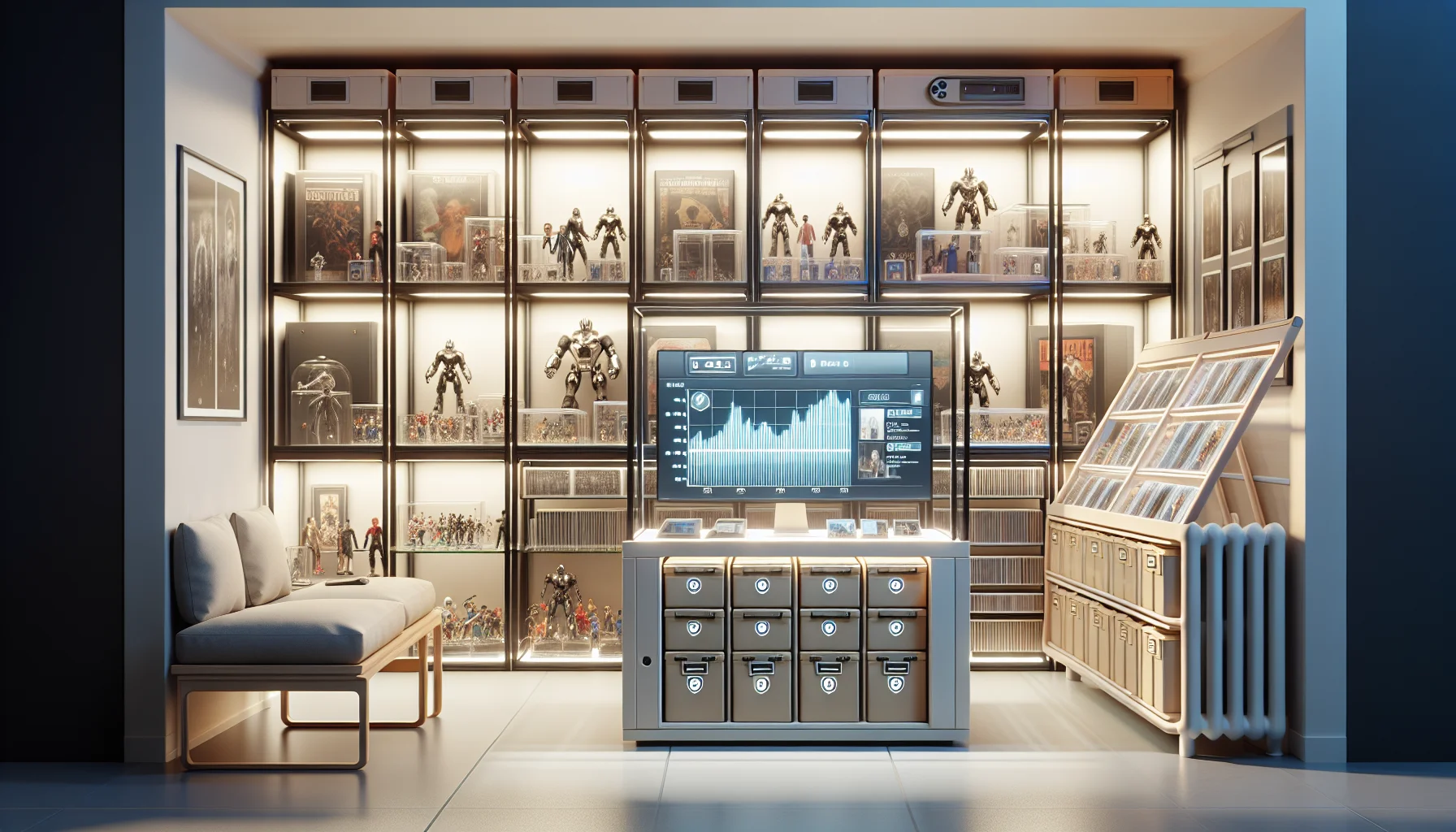
Collection value dies slowly: sunlight fade, humidity warp, dust abrasion, and shelf pressure. The fix is boring but powerful: stable environment rules you can maintain.
The Four Threats
- UV / sunlight: fades ink and yellows plastic.
- Humidity: warps cardboard and weakens adhesives.
- Dust: abrades surfaces and makes cleaning risky.
- Shelf pressure: dents corners and clouds blisters.
Rules That Work
- No direct sunlight on sealed boxes (ever).
- Keep stable temperature and humidity (avoid basements).
- Give boxes breathing space (no tight compression).
- Use protective cases for top items and long-term storage.
Rule: environment damage is permanent. If you collect sealed, treat UV avoidance as a hard requirement.
Related Guides
Collecting & GradingCondition system and storage basics.
Sealed Collecting BaselineKeep sealed display premium long-term.
Region PackagingPackaging choices for sealed collectors.
amiibo HubAll pillars and guides.
Related Articles
Sealed amiibo Collecting: The Baseline That Keeps Your Display Looking Premium
Sealed collecting is about corners, blister clarity, and environment control. Use this baseline to keep your display premium and consistent long-term.
Kazuya - number 91
The Kazuya amiibo from the Super Smash Bros. Series extends the function of the character beyond the screen. It is not a decorative extra in isolation. It stores data, adapts to player behavior, and re-enters compatible games with learned patterns. In practical use, it becomes a persistent training partner. The added value lies in continuity. Matches do not simply end; they accumulate.
amiibo FAQ: The 20 Questions Everyone Asks (And the Straight Answers)
A no-fluff Amiibo FAQ: compatibility, scanning, regions, reprints, value, and collecting rules — answered clearly so beginners stop wasting money.
Incineroar - number 79
The Incineroar amiibo from the Super Smash Bros. Series represents the wrestling-inspired Fire-type Pokémon as it appears in Super Smash Bros. Ultimate. It functions as a physical NFC figure that can store character data and interact with compatible Nintendo systems. The added value lies primarily in its use as a trainable Figure Player (FP) in Super Smash Bros. Ultimate, where it develops behavior patterns based on player interaction.
Celeste
The Celeste amiibo belongs to the Animal Crossing amiibo figure line released during the first wave of figures dedicated to the Animal Crossing universe. Like other figures in this collection, it functions as a small NFC carrier connected to Nintendo’s amiibo ecosystem. When scanned, the figure links the character Celeste to compatible games. The value of the amiibo lies mostly in enabling character appearances and small gameplay interactions that otherwise appear only under specific circumstances.
Ivysaur - number 76
The Ivysaur amiibo from the Super Smash Bros. Series represents the middle evolution of the classic Grass type Pokemon within Nintendo’s crossover fighting line. It is a physical NFC figure that can be scanned into compatible games. In practical terms it stores data, learns through play and unlocks defined in game elements depending on the software used. No mystery behind it. It is a training tool, a collectible and a functional accessory.
Snake - number 75
The Snake amiibo from the Super Smash Bros. Series extends the training and personalization systems of Super Smash Bros. Ultimate. It represents Solid Snake in his crossover appearance and functions as a trainable Figure Player. The practical value lies in persistent character data, stored behavior patterns, and small functional bonuses in compatible Nintendo titles.
amiibo Region Differences: What Actually Changes (EU vs US vs JP)
Most Amiibo work across regions. What changes is packaging, labels, and collector preference. Use this guide to buy the right region for your goal.
amiibo Basics: What They Are, How They Work, and What You Actually Get
amiibo are NFC figures that trigger game-specific rewards. Learn how they work, what they store, and why expectations matter more than hype.
Joker - number 83
The Joker amiibo from the Super Smash Bros. Series expands the roster of NFC figures with a character that originally did not belong to Nintendo’s own catalog. It represents Joker as he appears in Super Smash Bros. Ultimate. The figure functions as an interactive data carrier. It can be read and written, meaning it stores fighter data and learns through repeated use in compatible titles.
amiibo Games List Strategy: How to Build a Useful Compatibility Index
A giant list is useless if it’s not structured. This guide shows how to build an Amiibo compatibility index that’s searchable, scannable, and actually helpful.
Chrom - number 80
The Chrom amiibo from the Super Smash Bros. Series extends the character into physical form while adding functional use across compatible Nintendo systems. It is not decorative alone. It stores data where supported and unlocks defined in-game content. The practical value centers on its training function in Super Smash Bros. Ultimate and on smaller bonuses in selected Fire Emblem titles.