
Frame Pacing: Why 120 FPS Can Still Feel Bad
A high average FPS can hide uneven delivery. You do not feel averages. You feel timing. Frame pacing describes how evenly frames arrive. Uneven frametimes create roughness, microstutter, and a less controllable feel.
What Bad Pacing Feels Like
- Rough motion despite high FPS.
- Microstutter during camera pans.
- Inconsistent aim feel and late corrections.
- The game feels different from scene to scene.
Why It Happens
- FPS swings from unstable load.
- Background tasks and scheduling variance.
- Rendering queues and buffering behavior.
- Streaming and shader compilation spikes.
Practical Fix Order
- Close sources of random background load for testing.
- Cap FPS to a target you can hold consistently.
- Reduce settings that cause spikes, not just average drops.
- Enable VRR only after pacing is stable.
- Keep the setup stable and judge feel over multiple sessions.
The Rule
Stable frametimes beat higher FPS. Consistency is the upgrade you feel.
Related Guides
ExperienceOutcomes you can feel in play.
PlaybooksStep by step fixes for better feel.
GearHardware that shapes feel.
Stutter Types: Shader, CPU, Streaming (Know Which One You Have)Name the stutter type, then fix the right thing.
Related Articles
Console 120Hz Traps: Wrong Port, Wrong Mode, and Hidden Limits
120Hz often fails because of simple mismatches: wrong HDMI port, wrong input mode, or disabled features. Use this quick checklist to get true 120Hz.
TV Local Dimming Tuning for Games: Keep Detail Without Flicker
Local dimming can improve contrast or ruin stability with pumping and crush. Use this practical tuning order to keep detail and readable highlights without flicker.
Router Checklist for Gaming: The 10 Settings That Prevent Spikes
Most routers can game well if you remove the spike generators. Use this simple checklist: queue management, sane Wi-Fi, and stable load behavior.
Latency Features Explained: Reflex, Anti-Lag, and When They Actually Help
Latency features help only when the baseline is stable. Learn what Reflex/Anti-Lag type features do, when they reduce queue delay, and when they cause instability.
HDR Calibration Pitfalls: Why HDR Looks Dim or Washed Out
HDR looks bad when the baseline is wrong: mode mismatch, skipped calibration, dynamic processing, or wrong black/white levels. Fix the pitfalls in order.
Router Checklist for Gaming: Settings That Actually Change Stability
Most router ‘gaming’ features are noise. This checklist focuses on what actually changes feel: queue management, stable Wi-Fi, and avoiding load spikes.
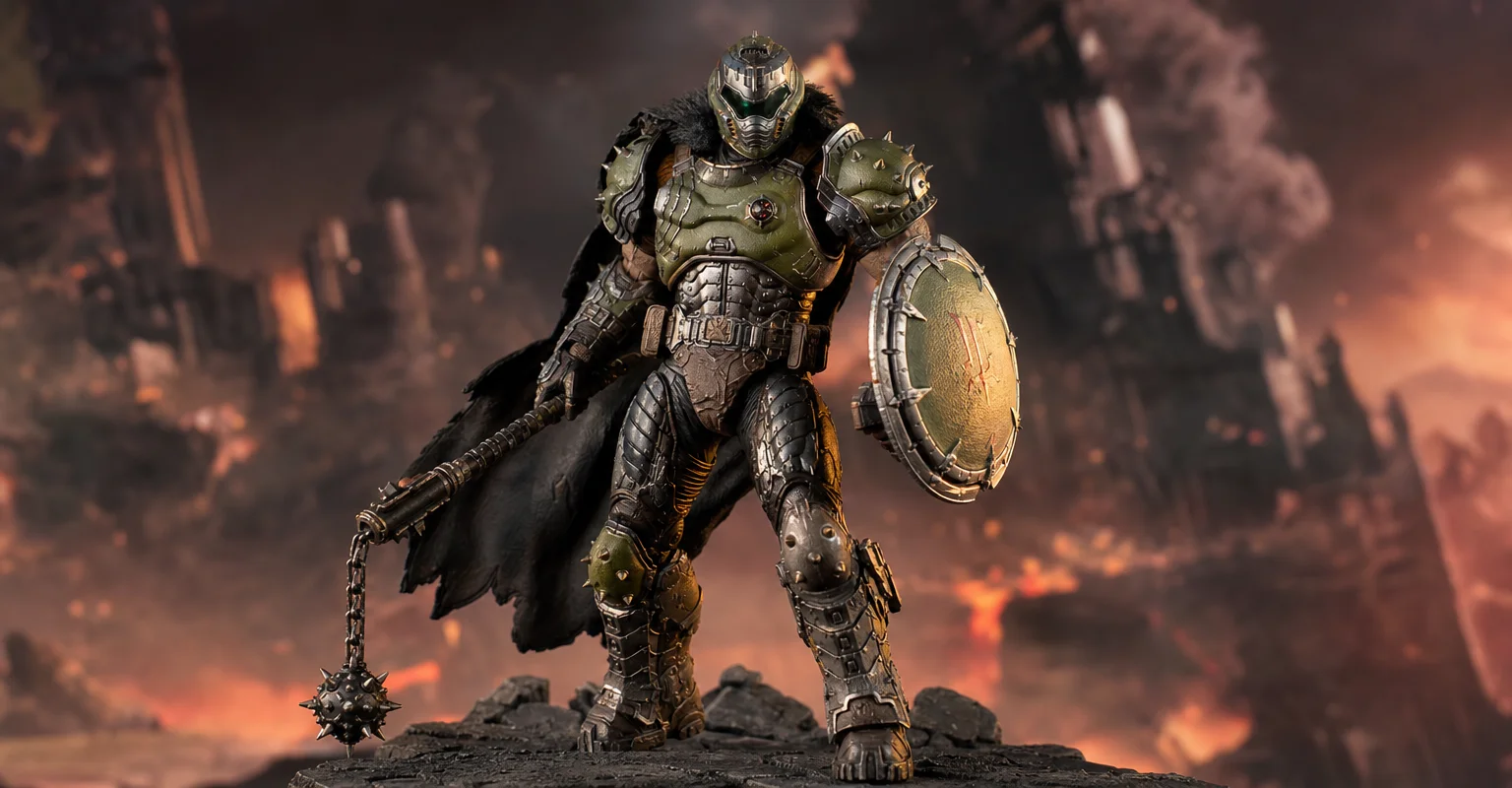
Pre-Order Alert: Good Smile Company Figma Doom: The Dark Ages – Doom Slayer DX Edition
The new Good Smile Company Figma Doom: The Dark Ages Doom Slayer DX Edition is more than a routine figure drop. It connects collector demand, franchise identity, and the wider appeal of Doom as one of gaming’s most durable icons.
V-Sync and Tearing: When It Helps, When It Hurts, and the Stable Alternative
Tearing is visible, but the wrong fix can add heavy feel. Learn when V-Sync is worth it, when it hurts, and how VRR + caps reduce tearing with less tradeoff.
Shader Cache Reality: What It Fixes, What It Doesn’t, and Why Stutter Returns
Shader cache can reduce repeated compilation stutter, but it won’t fix CPU spikes or streaming hitches. Learn what it really does and how to test properly.
End-to-End Feel Diagnosis: A Simple Flow That Finds the Real Cause
Stop guessing. Use this end-to-end flow to diagnose bad feel: display mode, timing, input queue, audio chain, and network load — in the right order.
Frame Cap Recipes: Stable Targets for VRR and Non-VRR Setups
A good cap feels better than unstable peaks. Use these simple cap recipes to stabilize frame pacing for VRR and non-VRR displays.
Audio Chain Baseline: One Clean Path That Fixes Most Footstep Confusion
Footsteps become readable when your audio path is clean and consistent. This baseline removes stacked processing, wrong modes, and unstable levels that destroy direction cues.