
Why 120Hz Still Feels Bad: The Usual Causes (Timing, Mode, Cap)
Why 120Hz Still Feels Bad: The Usual Causes (Timing, Mode, Cap)
Higher refresh reduces display persistence, but it does not fix unstable frametimes, wrong display mode, or hidden processing. 120Hz feels good when the whole chain is stable.
The Usual Causes
- Display not actually in Game Mode on that input.
- Unstable frame pacing (spikes and uneven delivery).
- Running outside VRR range or uncapped bouncing.
- Background load adding CPU spikes.
- Handshake issues (wrong port/mode/cable).
Fast Fix Order
- Verify 120Hz is active end-to-end (device + display).
- Enable Game Mode and disable extra processing while testing.
- Apply a realistic cap for stability (avoid wild bouncing).
- Remove background load and retest the same scene.
Rule: refresh helps only when timing is stable. Fix pacing before you chase settings.
Related Guides
Frame PacingUneven frametimes ruin ‘smoothness’.
Game Mode ExplainedStops hidden display latency.
Cable and Port BasicsHandshake issues that break features.
VRR Range Cheat SheetStay inside the smooth zone.
Related Articles
VRR Flicker Diagnosis: Why It Happens and the Stable Fix Order
VRR flicker is usually a stability problem, not a broken display. Learn why it happens (range edges, luminance changes) and the fix order that actually works.
Router Checklist for Gaming: The Settings That Actually Matter
Most router tweaks don’t help. These settings do: queue management under load, stable Wi-Fi behavior, and avoiding features that add latency or instability.
BFI and Strobing: Clarity vs Flicker vs Latency (The Honest Tradeoff)
BFI/strobing can boost clarity, but it can also add flicker, reduce brightness, and break VRR. Use this guide to decide if the tradeoff is worth it.
Display Processing Traps: The Settings That Secretly Ruin Clarity and Feel
Many displays ship with processing that looks ‘nice’ in movies but breaks gaming: added latency, artifacts, and instability. Here’s the short list to disable and why.
Shader Stutter: Why First Runs Hitch and How to Reduce It
Shader stutter happens when new effects compile in real time. Learn how to identify it fast and the practical ways to reduce hitches without placebo tweaks.
Console 120Hz Traps: Why 120 Can Feel Worse Than 60
120Hz only feels better if the chain is correct. Wrong mode, wrong refresh handshake, unstable pacing, or broken VRR can make 120Hz feel worse than stable 60Hz.
Input Stability Week: The 7-Day Plan to Lock Consistent Feel
Your setup won’t feel consistent if you change five variables a day. Use this 7-day plan to lock a baseline, isolate issues, and keep control stable.
Fix Input Lag Fast (PC & Console): The No-Placebo Checklist
Stop chasing myths. This checklist targets the real causes of heavy feel: display processing, unstable pacing, render queue buffering, and background spikes.
Wireless Controller Latency: Myths, Reality, and the One Baseline That Matters
Wireless isn’t automatically bad. Feel breaks when timing is unstable. Learn the real sources of controller delay and the baseline that makes it consistent.
Audio Chain for Gaming: One Clean Path from Game to Ears
Audio positioning improves when the chain is clean and stable. Build one path: one device, one mode, minimal processing, consistent levels.
CPU-Bound Stutter Deep: Why FPS Can Look Fine but Feel Terrible
CPU spikes create uneven frametimes that you feel as micro-stutter, heavy aim, and inconsistent motion. Learn the signs and the fix order that restores stable feel.
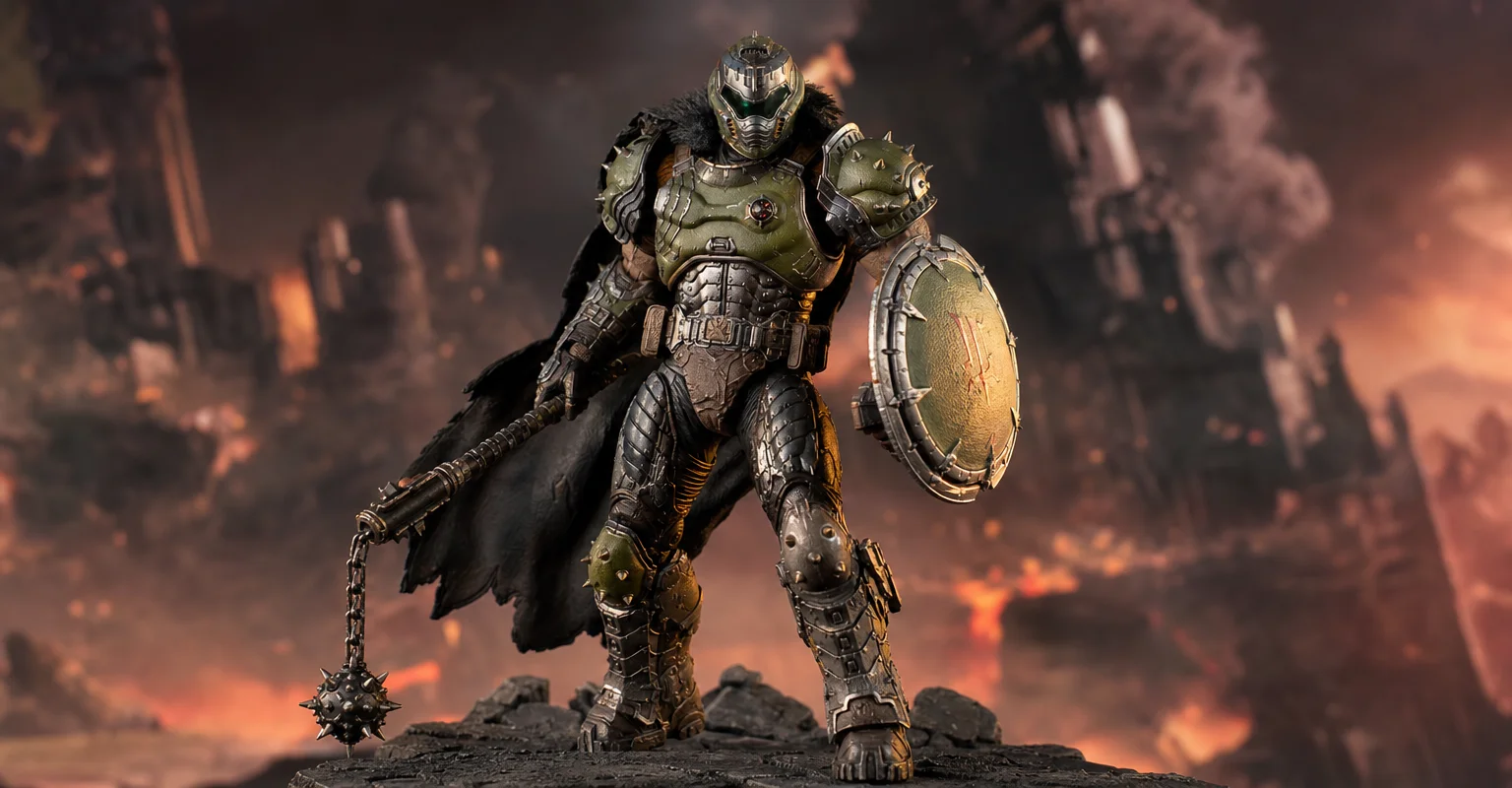
Pre-Order Alert: Good Smile Company Figma Doom: The Dark Ages – Doom Slayer DX Edition
The new Good Smile Company Figma Doom: The Dark Ages Doom Slayer DX Edition is more than a routine figure drop. It connects collector demand, franchise identity, and the wider appeal of Doom as one of gaming’s most durable icons.