
Exclusive Mode Myths: When It Helps Audio (Rare) and When It Breaks Games
Exclusive mode sounds technical, but most gamers don’t need it. The real goal is stable cues. If exclusive mode creates device conflicts, app muting, or switching issues, it hurts more than it helps.
When It Can Help
- You have a clean, stable chain and want a consistent output path.
- Your device/driver behaves reliably in exclusive mode.
- You measure a clear improvement in consistency (not just ‘different’ sound).
When It Often Breaks Things
- Chat apps and browsers lose audio unexpectedly.
- Device switching becomes unreliable.
- Spatial layers and enhancements conflict.
Rule: choose stability over theory. If it complicates the chain, don’t use it.
Related Guides
Windows Audio Mixer TrapsRouting issues on PC.
Audio Chain for GamingOne clean path.
Spatial Audio StackingOne layer rule.
Audio Positioning That WorksConsistency beats effects.
Related Articles
Router Placement for Gaming: Distance and Obstacles That Create Spikes
Before you buy a new router, fix the environment. Placement, obstacles, and interference create spikes that feel like lag and stutter.
VRR Range Basics: Why the Same Setup Feels Great in One Game and Bad in Another
VRR isn’t magic. If your FPS lives outside the VRR range, feel becomes inconsistent. Learn range basics, edge bouncing, and how to stay stable.
Fix Input Lag Fast: The No-Placebo Checklist (Display, Timing, Background Load)
Stop guessing. This checklist isolates the real causes of input lag: display processing, unstable timing, and background load — in the right order.
CPU-Bound Stutter Deep: Why FPS Can Look Fine but Feel Terrible
CPU spikes create uneven frametimes that you feel as micro-stutter, heavy aim, and inconsistent motion. Learn the signs and the fix order that restores stable feel.
Overdrive Tuning: The Clean Way to Reduce Blur Without Ghosting
Overdrive can improve clarity or add ugly halos. Use this simple method to pick the clean middle setting that reduces blur without ghosting artifacts.
Latency Chain Explained: Where Delay Actually Comes From (End to End)
Input lag is a chain, not one setting. Learn where delay comes from (device, render queue, display) and the fix order that actually improves feel.
Why the Same FPS Feels Different: Timing, Queues, and Hidden Processing
Two setups can show the same FPS and feel completely different. Learn the real reasons: frame pacing, render queues, and display processing latency.
Shader Cache Reality: What It Fixes, What It Doesn’t, and Why Stutter Returns
Shader cache can reduce repeated compilation stutter, but it won’t fix CPU spikes or streaming hitches. Learn what it really does and how to test properly.
Stutter Fixes That Stick: The Stability-First Playbook
Most stutter fixes fail because they skip triage. Use this playbook: identify stutter type, stabilize pacing, reduce spikes, then tune visuals last.
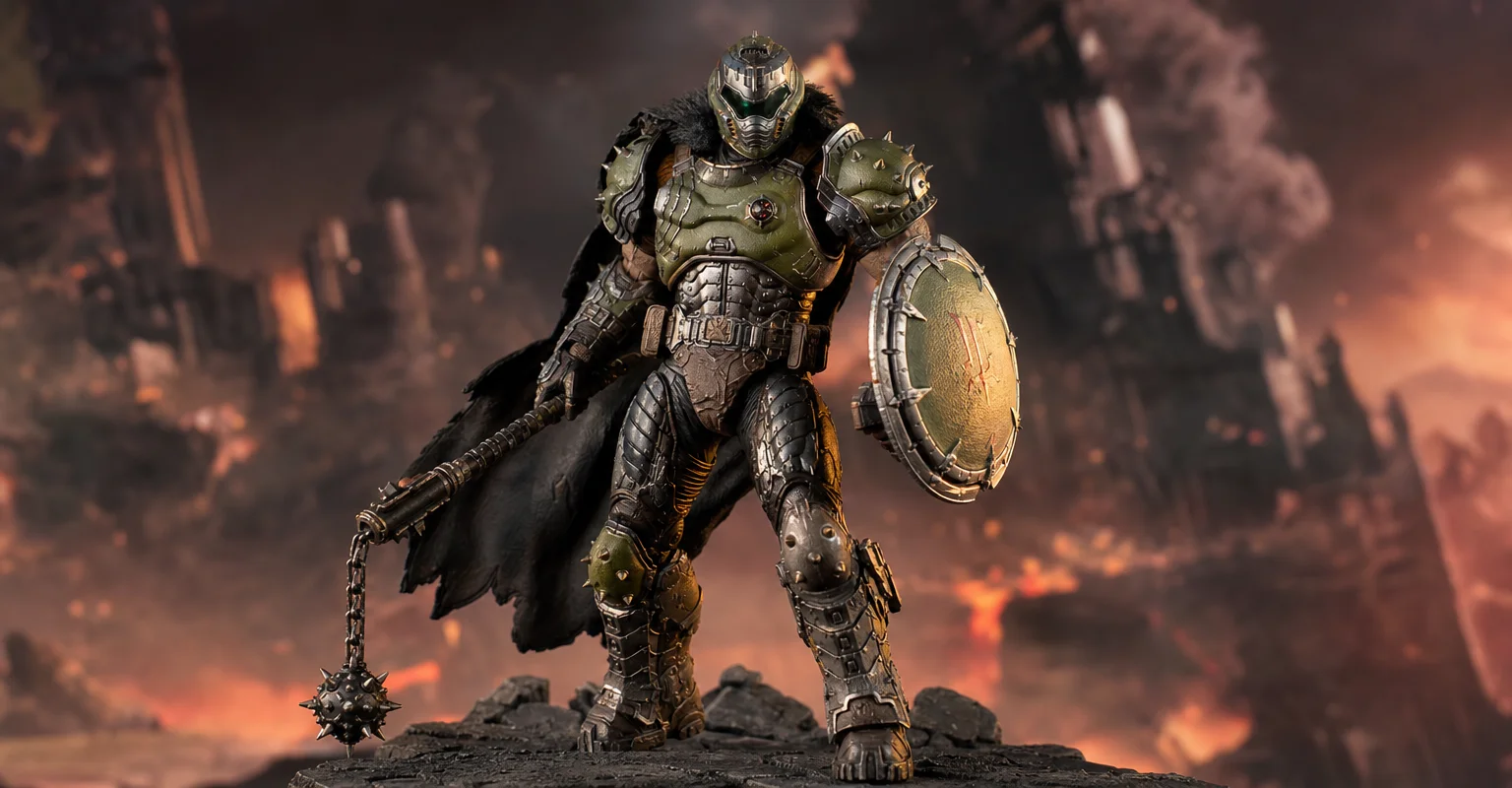
Pre-Order Alert: Good Smile Company Figma Doom: The Dark Ages – Doom Slayer DX Edition
The new Good Smile Company Figma Doom: The Dark Ages Doom Slayer DX Edition is more than a routine figure drop. It connects collector demand, franchise identity, and the wider appeal of Doom as one of gaming’s most durable icons.
Audio Chain for Gaming: One Clean Path from Game to Ears
Audio positioning improves when the chain is clean and stable. Build one path: one device, one mode, minimal processing, consistent levels.
Latency Features Explained: Reflex, Anti-Lag, and When They Actually Help
Latency features help only when the baseline is stable. Learn what Reflex/Anti-Lag type features do, when they reduce queue delay, and when they cause instability.