
amiibo FAQ: The 20 Questions Everyone Asks (And the Straight Answers)
Most amiibo confusion repeats the same questions: do they work across regions, why does one game give more than another, why did my scan do nothing, and why do prices swing? This FAQ gives straight answers.
The FAQ (Straight Answers)
- Do amiibo work across regions? Usually yes — games decide function; packaging differs.
- Why does my amiibo do nothing? The game may not support it, you scanned outside the prompt, or a scan limit applies.
- Are first prints better? For gameplay: usually no. For sealed collectors: sometimes.
- Why are prices crazy? Hype waves + reprints + condition scarcity.
- Are cards the same as figures? Often same function, different collector value.
- Can I scan an amiibo in multiple games? Yes — the game decides rewards; some write data back.
- Is ‘sealed’ always premium? No — sealed has grades (corners + blister clarity).
- How do I avoid scams? Demand the full photo set and stay inside buyer protection.
- What’s the best first amiibo? One tied to a game you play or a character you love — at a sane price.
- Do reprints matter? Yes for price and availability; usually not for gameplay function.
- Do amiibo wear out? NFC tags are durable; most issues are setup/timing/limits.
- Why does scanning fail sometimes? Interference, bad timing, low battery, wrong menu.
- Do I need to keep the box? Only if you collect sealed or care about resale.
- What damages sealed value most? Sunlight, humidity, corner dents, cloudy blisters.
- How should I store sealed? No direct sun, stable humidity, upright, no compression.
- Can I build a full set cheaply? Only with patience and rules; hype buying ruins budgets.
- Is ‘rare’ always valuable? No — condition + demand + timing matter more.
- Should I buy bundles? Only if you want most items; otherwise you pay an unwanted tax.
- What’s the cleanest buying order? Goal → compatibility → condition → max price → region preference.
- What should I do next? Start with the hub pillars and pick your path.
Rule: when confused, return to the order: compatibility first, condition second, price last.
Related Guides
amiibo HubStart here: pillars + guides.
Games CompatibilityCheck support and unlocks fast.
Buying GuideReprints, regions, pricing sanity.
Collecting & GradingCondition + storage system.
Related Articles
Chrom - number 80
The Chrom amiibo from the Super Smash Bros. Series extends the character into physical form while adding functional use across compatible Nintendo systems. It is not decorative alone. It stores data where supported and unlocks defined in-game content. The practical value centers on its training function in Super Smash Bros. Ultimate and on smaller bonuses in selected Fire Emblem titles.
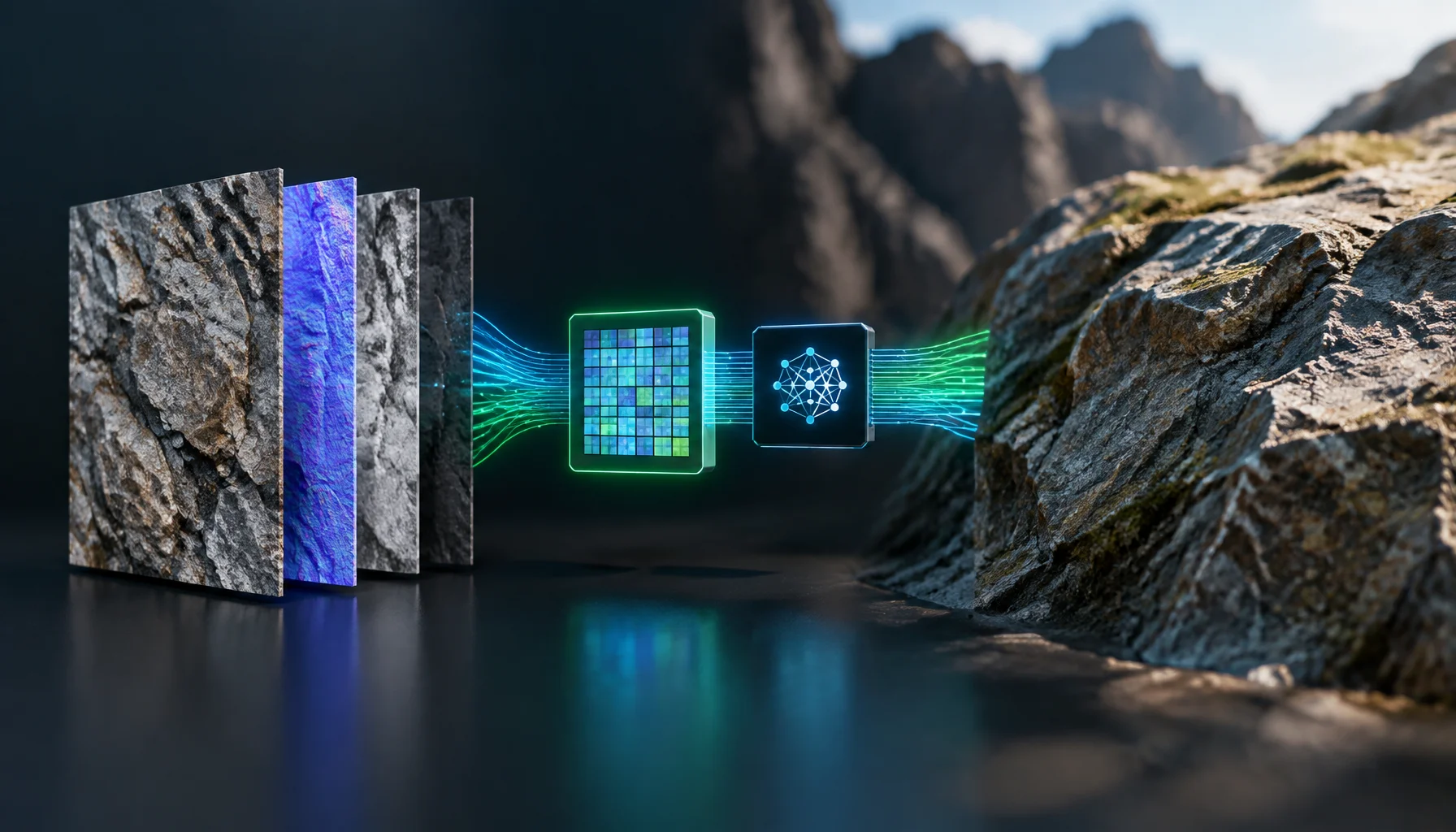
RTX Neural Texture Compression Is Not Upscaling: How AI Can Trade Texture Memory for GPU Compute
NVIDIA RTX Neural Texture Compression changes how game materials can be stored. Instead of keeping every texture channel only as conventional texels, a material can be compressed into compact latent data and a small neural decoder, then reconstructed by the GPU when needed.
Mabel
The Mabel amiibo belongs to the Animal Crossing amiibo figure line. It represents the hedgehog tailor connected to the clothing shop that appears across the series. The figure does not introduce a new character. It transfers an established shop role into a scannable format for compatible Nintendo systems.
amiibo Hub: Start Here (Pillars, Guides, and What to Buy First)
Your Amiibo library in one place: basics, compatibility, buying, and collecting. Use this hub to choose your path and avoid beginner mistakes.
Cyrus
The Cyrus amiibo belongs to the Animal Crossing amiibo figure line released during the period when Nintendo expanded the series into physical NFC figures. It functions as a bridge between the plastic figure and supported Nintendo games. When scanned, the character stored in the NFC chip becomes accessible inside the game. The practical value of the figure lies in enabling Cyrus related interactions and content that otherwise remain hidden or harder to reach.
amiibo Editorial Calendar: The 30-Post Plan That Builds Authority Fast
Want Amiibo traffic? Publish like a library: pillars first, then franchise clusters, then per-game unlock pages. This 30-post plan builds topical authority fast.
Kazuya - number 91
The Kazuya amiibo from the Super Smash Bros. Series extends the function of the character beyond the screen. It is not a decorative extra in isolation. It stores data, adapts to player behavior, and re-enters compatible games with learned patterns. In practical use, it becomes a persistent training partner. The added value lies in continuity. Matches do not simply end; they accumulate.
Alex - number 89
The Alex amiibo from the Super Smash Bros. Series represents the Minecraft character as used in Super Smash Bros. Ultimate. It is an NFC figure that interacts with supported Nintendo systems. Its added value shows up most clearly where saved data can be reused.
Lottie
The Lottie amiibo belongs to the Animal Crossing amiibo figure line released during the early phase of Nintendo's amiibo program. It represents the small otter character known from the design office in Animal Crossing Happy Home Designer. Like other figures in this series, the object contains a small NFC chip. When scanned by compatible Nintendo systems, the figure links the character to in-game systems and unlocks small pieces of related content.
Hero - number 84
The Hero amiibo from the Super Smash Bros. Series represents the default Hero as he appears in Super Smash Bros. Ultimate. It is a physical NFC figure that can store gameplay data and interact with compatible Nintendo systems. In simple terms, it is both a collectible and a functional in-game character replica. The added value lies in its ability to create and train a Figure Player (FP) that develops over time through player interaction.
Digby
Among the early Animal Crossing amiibo figures, Digby occupies a slightly quieter position. The figure represents the polite assistant known from the series’ town administration office. When scanned, the amiibo does not radically change a game. Instead it opens small interactions, extra scenes, or character appearances that connect different Animal Crossing titles. Its value is subtle. It extends the presence of a familiar character across several Nintendo games.
Sealed amiibo Collecting: The Baseline That Keeps Your Display Looking Premium
Sealed collecting is about corners, blister clarity, and environment control. Use this baseline to keep your display premium and consistent long-term.