
MTU Myths for Gaming: When Changing MTU Helps (Rare) vs Breaks Things
MTU (maximum transmission unit) decides packet size on a link. Most gaming ‘MTU magic’ is placebo. Bad MTU settings can create fragmentation and weird connectivity problems. Treat MTU as a last resort, not a first tweak.
When MTU Might Matter
- VPN tunnels or unusual network paths.
- Specific ISP equipment with known issues.
- Clear fragmentation symptoms after other causes are ruled out.
Safe Testing Approach
- Do a wired baseline test first.
- Change MTU only if you can revert easily.
- Test one value, one change, same scenario.
- If anything breaks, revert immediately and stop.
Rule: if your issue is spikes under load, MTU is not the fix. Queueing/bufferbloat is.
Related Guides
Queue ManagementFix latency under load first.
Packet Loss TriageLoss vs spikes vs path issues.
Router Checklist v2Stability baseline before deep tweaks.
DNS MythsAnother common placebo tweak.
Related Articles
Router Checklist for Gaming: The 10 Settings That Actually Matter
Most router tweaks are noise. Use this checklist to target stability under load: Wi-Fi environment, queue management, and sane defaults that reduce spikes.
Mic Monitoring (Side-Tone): The Comfort Setting That Prevents Shouting
Side-tone keeps your voice natural and prevents fatigue. Set it right so you don’t shout, over-tighten your jaw, or lose focus during long sessions.
TV Local Dimming Tuning for Games: Keep Detail Without Flicker
Local dimming can improve contrast or ruin stability with pumping and crush. Use this practical tuning order to keep detail and readable highlights without flicker.
Audio Chain for Gaming: One Clean Path from Game to Ears
Audio positioning improves when the chain is clean and stable. Build one path: one device, one mode, minimal processing, consistent levels.
AMD Anti-Lag Basics: The Stability Rules Before You Toggle It
Anti-Lag can reduce certain pipeline delays, but only if your system is already stable. Learn the baseline rules and the common scenarios where it won’t help.
Borderless vs Exclusive Fullscreen: When It Matters for Feel and Stability
Most of the time, it doesn’t matter. But in some setups, window mode affects timing, overlays, and stability. Here’s when to care and how to decide.
Latency Features Explained: Reflex, Anti-Lag, and When They Actually Help
Latency features help only when the baseline is stable. Learn what Reflex/Anti-Lag type features do, when they reduce queue delay, and when they cause instability.
Background Load Kill Switch: Stop Overlays, Sync, and Scans From Ruining Feel
If feel changes day-to-day, background load is a prime suspect. Use this kill-switch checklist to remove the usual culprits and stabilize frametimes.
Background Load Killers: The PC Checklist That Stops Random Heavy Feel
If the same game feels great one day and heavy the next, suspect background load. This checklist removes the common culprits: overlays, sync, scans, and scheduling spikes.
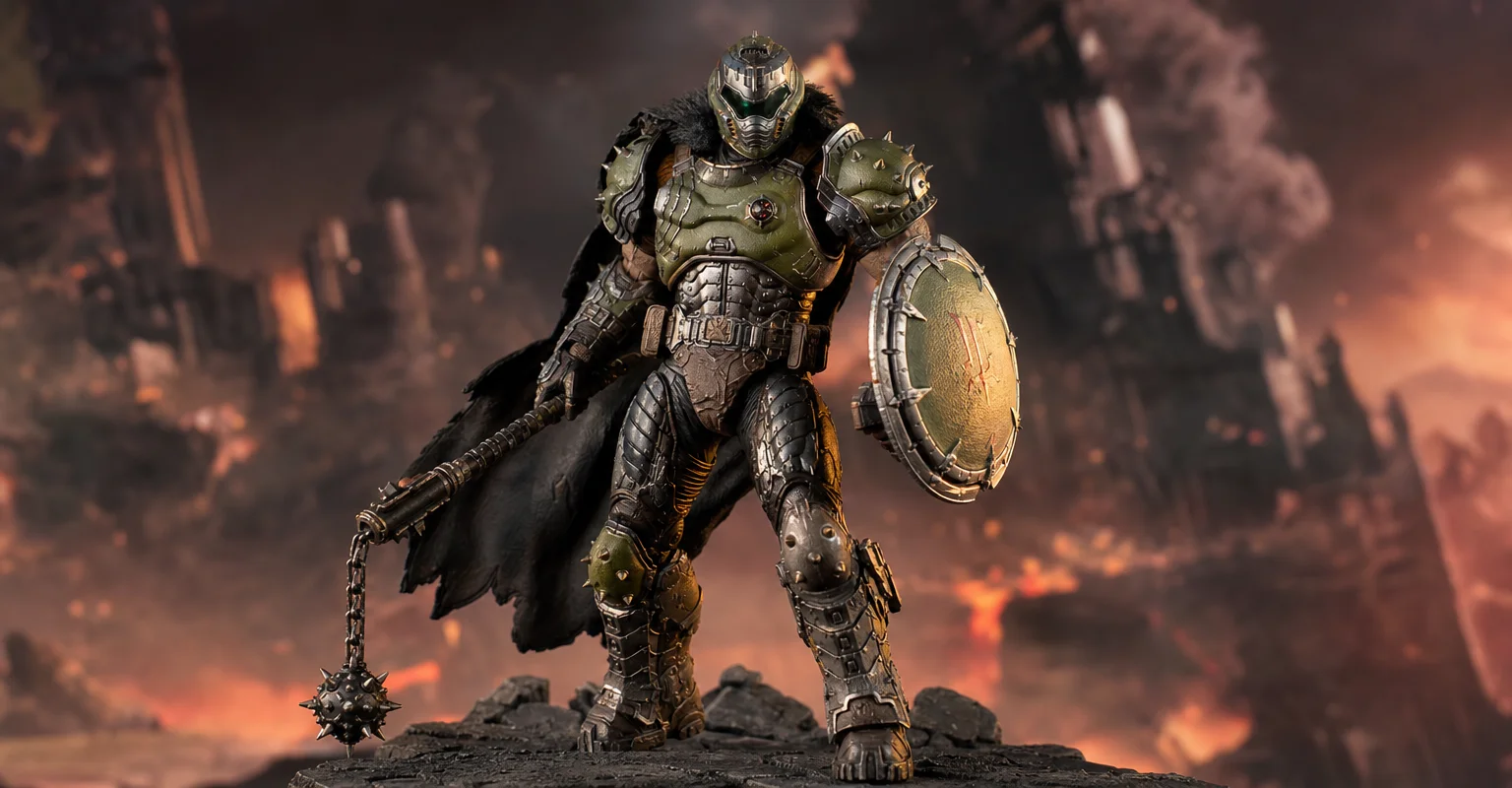
Pre-Order Alert: Good Smile Company Figma Doom: The Dark Ages – Doom Slayer DX Edition
The new Good Smile Company Figma Doom: The Dark Ages Doom Slayer DX Edition is more than a routine figure drop. It connects collector demand, franchise identity, and the wider appeal of Doom as one of gaming’s most durable icons.
HDR vs SDR Decision Matrix: When HDR Helps and When SDR Wins
HDR is not always better. Use this simple decision matrix to pick HDR or SDR per game based on readability, stability, and your display’s real behavior.

Google I/O 2026 and Gaming: AI, XR, and the Next Wave of Collectibles
Google I/O 2026 was not a classic gaming event, but its AI, XR, Gemini, Google Play, and creative tooling announcements point toward a clear shift in gaming culture. This article explains how AI discovery, XR companion layers, Gemini-powered media, and faster character visibility may shape games, figures, collectibles, and future fan ecosystems.