
WiFi for Gaming: Make It Stable Before You Spend Money
WiFi problems usually look like random spikes. The connection is not consistently bad. It is inconsistent. Your goal is to reduce variance so timing stays predictable in real matches.
Why WiFi Gets Unstable
- Interference from neighbors and devices.
- Weak signal through walls and floors.
- Busy airtime from multiple clients.
- Poor placement causing retries and spikes.
Practical Fix Order
- Move closer or improve router placement (height and open space).
- Use a cleaner channel and reduce congestion.
- Separate devices by band if needed (keep gaming device on the cleaner band).
- Avoid background uploads during play.
- If spikes remain, switch to Ethernet for serious sessions.
How to Test (Simple)
- Test during real household use, not at night when everything is quiet.
- Look for spikes, not only averages.
- Repeat the same scenario to compare changes.
The Rule
WiFi can be fast and still feel bad. Stability beats speed for gaming. Fix variance first.
Related Guides
ExperienceOutcomes you can feel in play.
PlaybooksStep by step fixes for better feel.
GearHardware that shapes feel.
Network Stability for Gaming: Ping vs Jitter vs Bufferbloat (What Matters)Stability is what you actually feel.
Related Articles
Spatial Audio Stacking: The Fast Way to Stop Confused Direction
Direction breaks when you stack spatial processing layers (game + system + headset app). Use one layer at a time and your cues become readable again.
Comfort to Control: Why Ergonomics Improves Aim More Than You Think
Ergonomics is not optional. Fatigue changes grip, timing, and precision. Use a simple comfort baseline so your control stays consistent for hours.
Windows Audio Mixer Traps: Why PC Audio Feels Inconsistent in Games
PC audio feels random when routing changes silently. Learn the mixer traps (default device switching, enhancements, app routing) and how to lock one stable path.
Storage Streaming Stutter Fixes: When Assets Can’t Keep Up
Streaming stutter happens when new areas load: storage, decompression, or asset streaming limits. Use this fix order before you drop every graphics setting.
HDMI Black Level and RGB Range: The Quick Fix for Washed Out or Crushed Images
Washed out blacks or crushed shadow detail is often a range mismatch, not a bad screen. Use this quick check to fix readability in minutes.

Why a 5G OpenWrt Router Can Be a Smart Upgrade for Gaming, Streaming and Mobile Work
A 5G OpenWrt router like the ZBT Z8102AX is more than a simple internet box. For gaming, streaming, mobile work and backup internet, it can become a flexible network platform with 5G connectivity, external antennas, dual-SIM potential and more control than many closed consumer routers.
CPU-Bound Stutter Deep: Why FPS Can Look Fine but Feel Terrible
CPU spikes create uneven frametimes that you feel as micro-stutter, heavy aim, and inconsistent motion. Learn the signs and the fix order that restores stable feel.
VRR Flicker Diagnosis: Why It Happens and the Stable Fix Order
VRR flicker is usually a stability problem, not a broken display. Learn why it happens (range edges, luminance changes) and the fix order that actually works.
Audio Chain Baseline: One Clean Path That Fixes Most Footstep Confusion
Footsteps become readable when your audio path is clean and consistent. This baseline removes stacked processing, wrong modes, and unstable levels that destroy direction cues.
Input Stability Week: The 7-Day Plan to Lock Consistent Feel
Your setup won’t feel consistent if you change five variables a day. Use this 7-day plan to lock a baseline, isolate issues, and keep control stable.
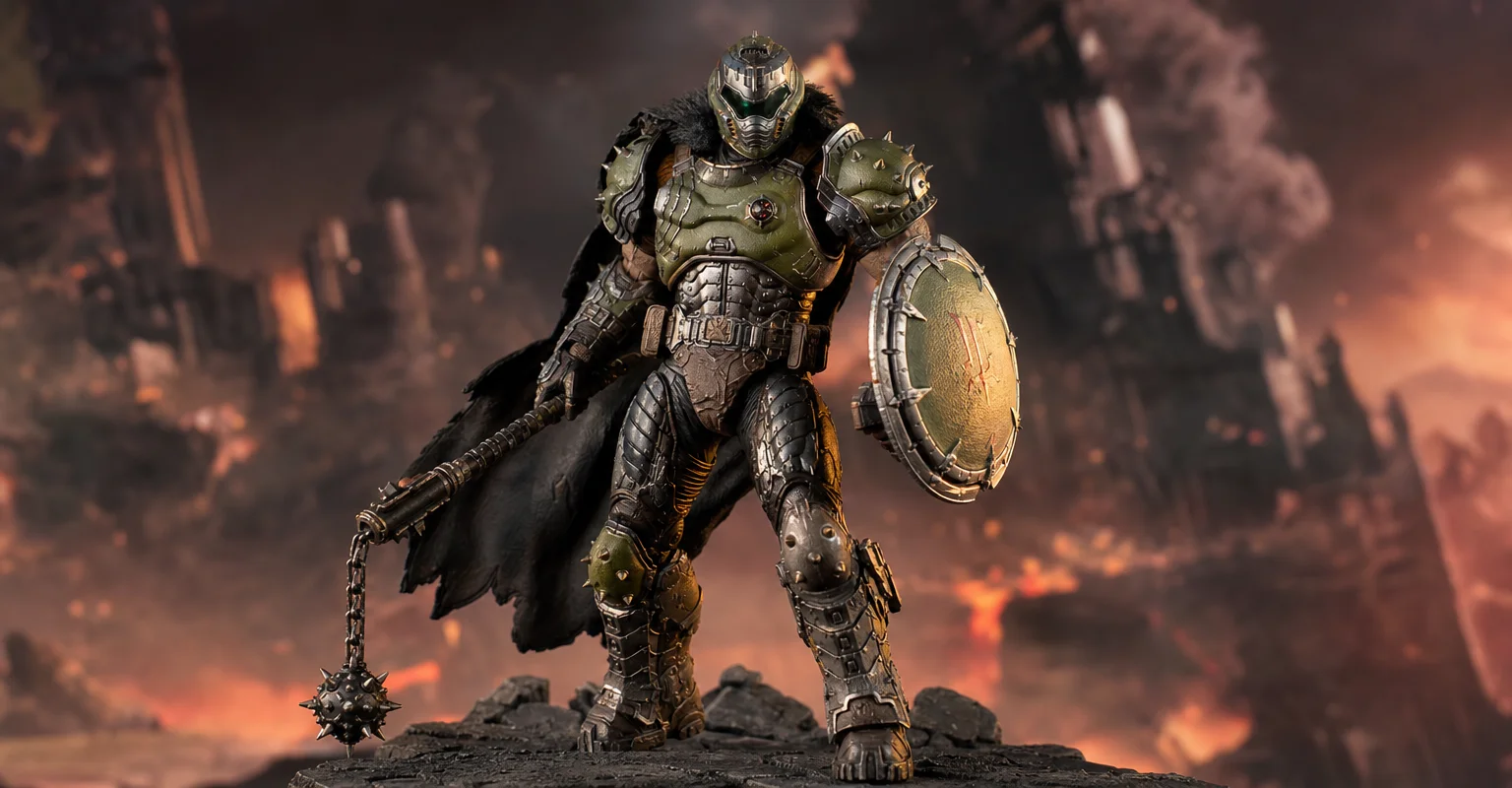
Pre-Order Alert: Good Smile Company Figma Doom: The Dark Ages – Doom Slayer DX Edition
The new Good Smile Company Figma Doom: The Dark Ages Doom Slayer DX Edition is more than a routine figure drop. It connects collector demand, franchise identity, and the wider appeal of Doom as one of gaming’s most durable icons.
Background Load Kill Switch: Stop Overlays, Sync, and Scans From Ruining Feel
If feel changes day-to-day, background load is a prime suspect. Use this kill-switch checklist to remove the usual culprits and stabilize frametimes.