
Windows Game Mode Myths: What It Does (And What Actually Matters)
Windows Game Mode can help by reducing background interference, but it does not fix a fundamentally unstable system. Most ‘feel’ problems are still frame pacing and background load.
What Matters More Than the Toggle
- Stable frame pacing (cap for consistency).
- No heavy background tasks (updates, cloud sync, overlays).
- Correct display mode and refresh rate.
How to Use It Practically
- Enable it, then test in the same scene.
- If nothing changes, focus on frame pacing and background load.
- Keep changes minimal and stable for a week.
Rule: stability beats toggles. Do not swap settings daily and call it ‘tuning’.
Related Guides
Frame PacingStable frametimes are smoothness.
Background LoadThe hidden cause of bad feel.
Reduce Input Lag v2Fast fixes that move the needle.
Latency Chain MapWhere delay actually comes from.
Related Articles
Fix Input Lag Fast: The No-Placebo Checklist (Display, Timing, Background Load)
Stop guessing. This checklist isolates the real causes of input lag: display processing, unstable timing, and background load — in the right order.
AMD Anti-Lag Basics: The Stability Rules Before You Toggle It
Anti-Lag can reduce certain pipeline delays, but only if your system is already stable. Learn the baseline rules and the common scenarios where it won’t help.
End-to-End Feel Diagnosis: A Simple Flow That Finds the Real Cause
Stop guessing. Use this end-to-end flow to diagnose bad feel: display mode, timing, input queue, audio chain, and network load — in the right order.
Audio EQ Minimalism: Small Changes That Improve Footstep Readability
EQ can help, but big curves often destroy distance and direction cues. Use minimal moves to improve footsteps without turning audio into mush.
Windows HDR Quick Baseline: A Simple Setup That Prevents Dim and Washed Out HDR
PC HDR often looks wrong because the baseline is wrong. Use this minimal Windows HDR setup to keep highlights readable and avoid dim, washed images.
Router Checklist for Gaming: Settings That Actually Change Stability
Most router ‘gaming’ features are noise. This checklist focuses on what actually changes feel: queue management, stable Wi-Fi, and avoiding load spikes.
Wireless Controller Latency: Myths, Reality, and the One Baseline That Matters
Wireless isn’t automatically bad. Feel breaks when timing is unstable. Learn the real sources of controller delay and the baseline that makes it consistent.
Fix Input Lag Fast (PC & Console): The No-Placebo Checklist
Stop chasing myths. This checklist targets the real causes of heavy feel: display processing, unstable pacing, render queue buffering, and background spikes.
Streaming Stutter: Storage, Decompression, and the Hitch Pattern
Streaming stutter is asset loading: new areas, new textures, periodic hitches. Learn the pattern, what to change first, and what upgrades actually help.
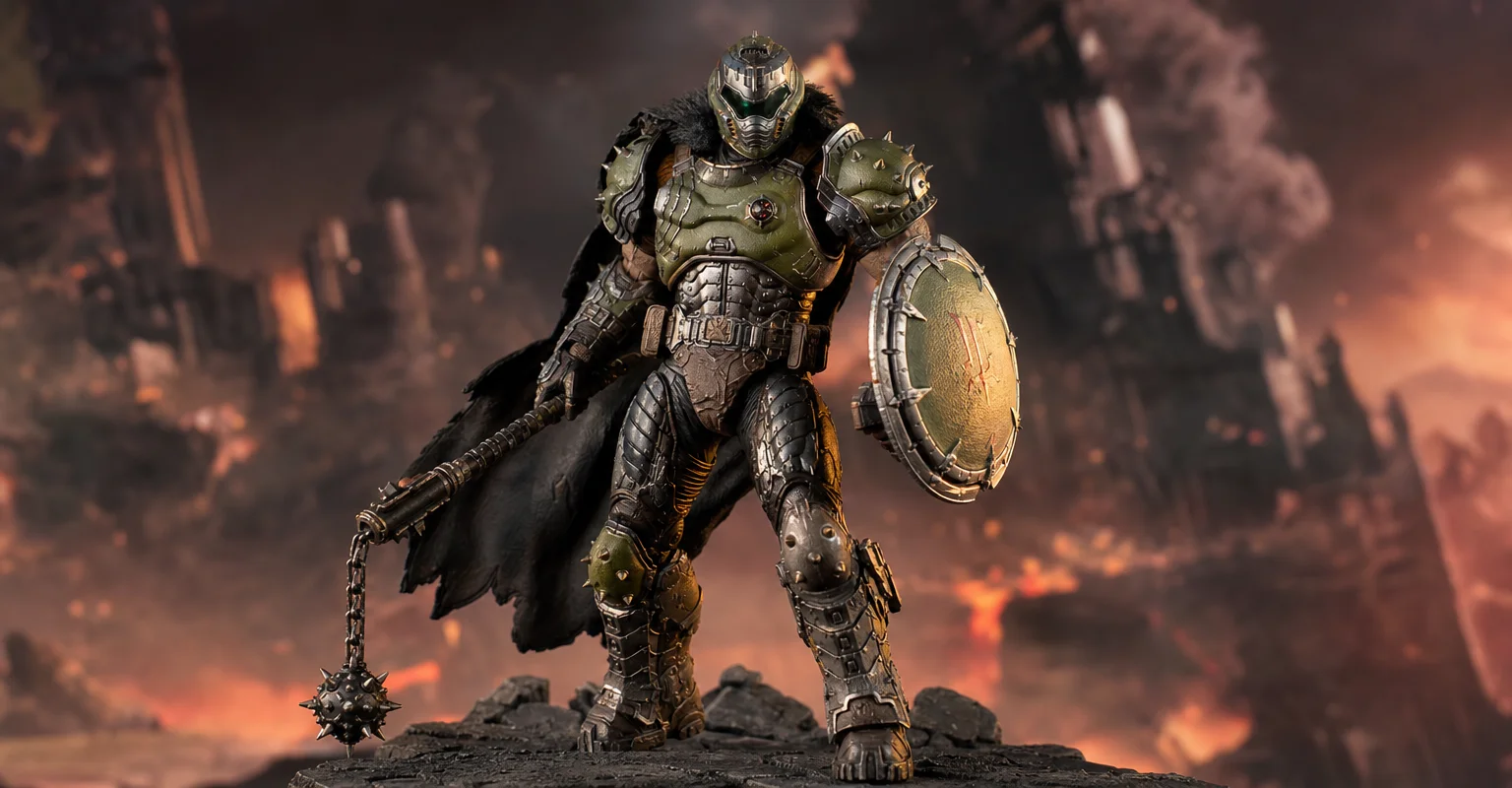
Pre-Order Alert: Good Smile Company Figma Doom: The Dark Ages – Doom Slayer DX Edition
The new Good Smile Company Figma Doom: The Dark Ages Doom Slayer DX Edition is more than a routine figure drop. It connects collector demand, franchise identity, and the wider appeal of Doom as one of gaming’s most durable icons.
Wi-Fi Channel Picks for Gaming: Simple Rules for 2.4GHz, 5GHz, and 6GHz
Bad channel choice causes spikes and packet loss. Use these simple rules to pick a cleaner band and reduce interference before buying hardware.
VRR Flicker Diagnosis: Why It Happens and the Stable Fix Order
VRR flicker is usually a stability problem, not a broken display. Learn why it happens (range edges, luminance changes) and the fix order that actually works.