
Stability Budget: The Simple Model to Stop Over-Tuning
Think of your setup as a budget. You can spend stability on higher settings, overlays, streaming, or background tasks. When you overspend, spikes appear and feel collapses.
What Spends the Budget
- Uncapped FPS with swings.
- Heavy graphics settings that cause spikes.
- Overlays, recording, and background updates.
- Stacked processing (display/audio/network).
How to Use the Model
- Cap for stable frame pacing first.
- Remove background load and overlays.
- Spend stability on what improves readability (clarity) and comfort.
- Keep changes that improve consistency, not peak numbers.
Rule: stability is the foundation. Without it, every other tweak turns into noise.
Related Guides
Competitive Settings PhilosophyBaseline first, one change at a time.
Frame PacingStable delivery is smoothness.
Reduce Input Lag v2Fast fixes that matter.
Stutter Fix OrderFix spikes in the right sequence.
Related Articles
End-to-End Feel Diagnosis: A Simple Flow That Finds the Real Cause
Stop guessing. Use this end-to-end flow to diagnose bad feel: display mode, timing, input queue, audio chain, and network load — in the right order.
Ethernet Facts for Gaming: Cables, Ports, and the Myths That Waste Money
Ethernet improves stability, but you don’t need expensive ‘gaming’ cables. Learn the practical cable/port facts that matter for low-latency consistency.
Background Load Kill Switch: Stop Overlays, Sync, and Scans From Ruining Feel
If feel changes day-to-day, background load is a prime suspect. Use this kill-switch checklist to remove the usual culprits and stabilize frametimes.
Spatial Audio Stacking: The Fast Way to Stop Confused Direction
Direction breaks when you stack spatial processing layers (game + system + headset app). Use one layer at a time and your cues become readable again.
Render Queue Basics: Why the Game Feels Delayed Even at High FPS
High FPS doesn’t guarantee low delay. If frames queue up, you feel input lag. Learn the basics and the practical steps that reduce queueing delay.
Display Processing Traps: The Settings That Secretly Ruin Clarity and Feel
Many displays ship with processing that looks ‘nice’ in movies but breaks gaming: added latency, artifacts, and instability. Here’s the short list to disable and why.
Input Lag Chain Deep: Where Delay Actually Builds Up (Click-to-Photon)
Input lag is a chain: device, OS, game loop, render queue, display. Learn where delay accumulates and how to reduce it by stabilizing timing and removing hidden processing.
CPU-Bound Stutter Deep: Why FPS Can Look Fine but Feel Terrible
CPU spikes create uneven frametimes that you feel as micro-stutter, heavy aim, and inconsistent motion. Learn the signs and the fix order that restores stable feel.
Network Test Under Load: The Only Result That Predicts Gaming Feel
A speed test is not enough. Gaming feel depends on latency under load. Use this simple test method to reveal spikes, jitter, and bufferbloat.
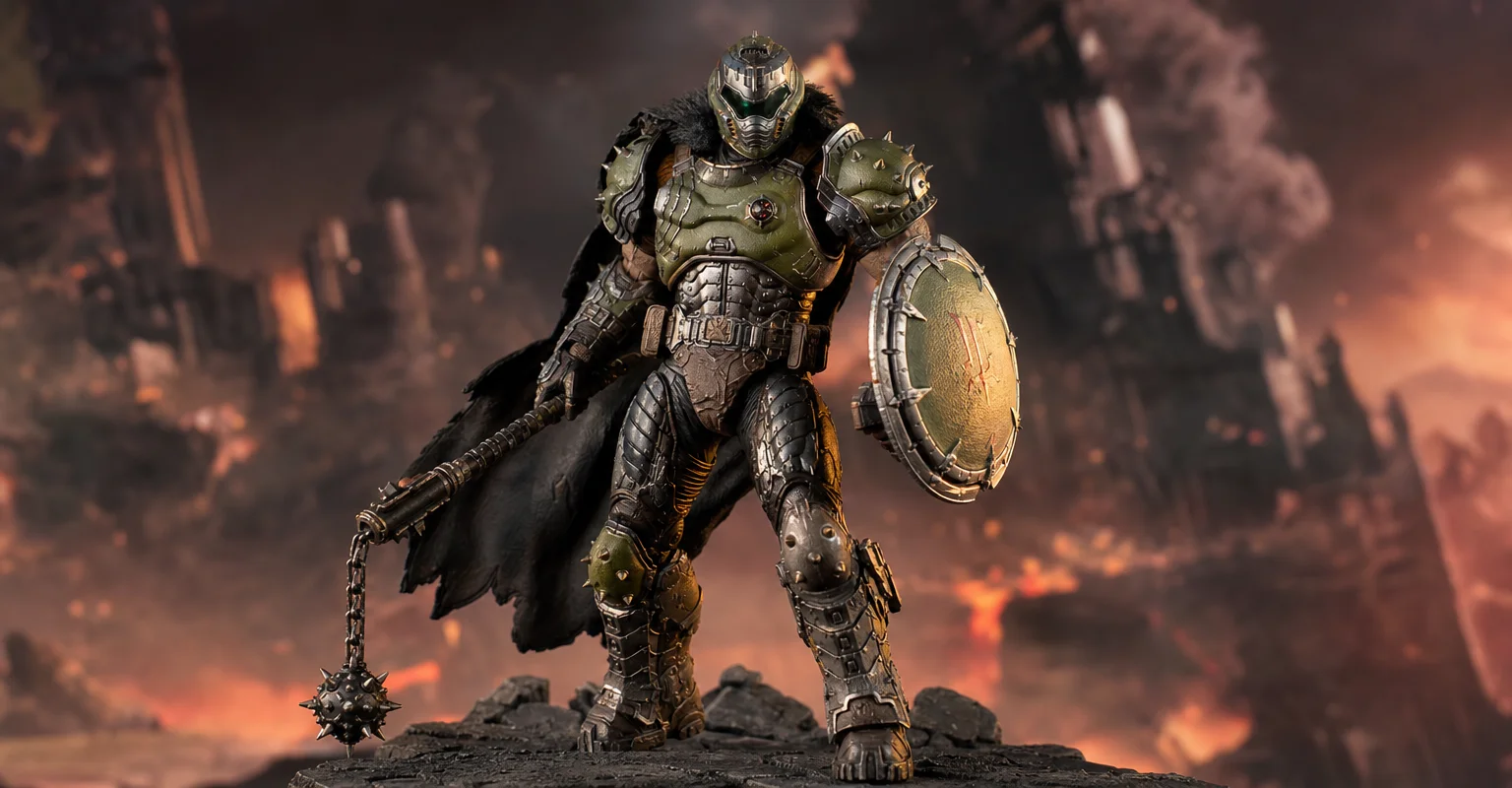
Pre-Order Alert: Good Smile Company Figma Doom: The Dark Ages – Doom Slayer DX Edition
The new Good Smile Company Figma Doom: The Dark Ages Doom Slayer DX Edition is more than a routine figure drop. It connects collector demand, franchise identity, and the wider appeal of Doom as one of gaming’s most durable icons.
Motion Clarity for Gaming: Blur Sources and the Fix Order That Works
Motion clarity isn’t one setting. Blur comes from multiple sources. Use this fix order to improve readability without adding latency or artifacts.
Ethernet vs Wi-Fi for Gaming: When Wi-Fi Is Enough and When It Isn’t
Wi-Fi can be fine for casual play, but competitive stability still favors Ethernet. Use a simple decision checklist based on spikes, distance, and load.