
Audio Limiter vs Compression: Keep Dynamics Without Losing Cues
Dynamic range helps you read distance and urgency. Heavy compression makes everything equally loud — and that often destroys positional cues. Protect your ears, but keep dynamics.
Simple Approach
- Start with stable levels (not max volume).
- Avoid aggressive compression while testing positioning.
- If you need protection, prefer gentle limiting over flattening everything.
- Retest footsteps direction in the same scene/map.
Common Failure
If distant footsteps and near explosions are similar loudness, you lose distance cues. That’s usually compression.
Rule: protect hearing without flattening information. Clarity beats loudness.
Related Guides
Audio Chain for GamingOne clean chain, stable cues.
Audio Positioning That WorksMake footsteps readable and directional.
Audio EQ MinimalismSmall changes, stable direction.
GearHeadsets and setup basics.
Related Articles
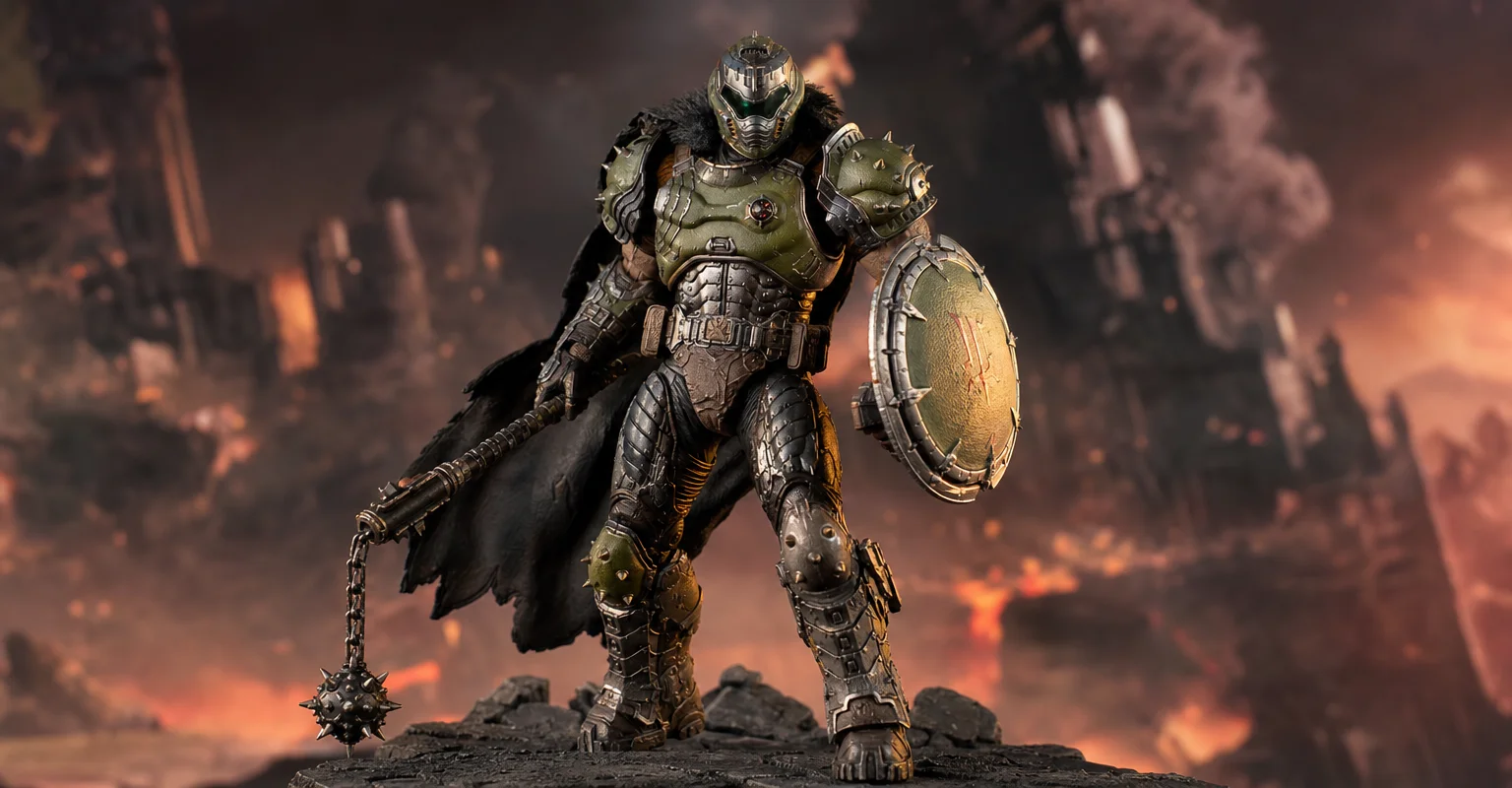
Pre-Order Alert: Good Smile Company Figma Doom: The Dark Ages – Doom Slayer DX Edition
The new Good Smile Company Figma Doom: The Dark Ages Doom Slayer DX Edition is more than a routine figure drop. It connects collector demand, franchise identity, and the wider appeal of Doom as one of gaming’s most durable icons.
Streaming Stutter: Storage, Decompression, and the Hitch Pattern
Streaming stutter is asset loading: new areas, new textures, periodic hitches. Learn the pattern, what to change first, and what upgrades actually help.
Mic Monitoring (Side-Tone): The Comfort Setting That Prevents Shouting
Side-tone keeps your voice natural and prevents fatigue. Set it right so you don’t shout, over-tighten your jaw, or lose focus during long sessions.
Router QoS vs SQM: Which Actually Fixes Lag Spikes Under Load?
Many QoS features are marketing. SQM (queue management) targets latency under load — the real cause of bufferbloat spikes. Here’s the practical difference.
Ethernet vs Wi-Fi for Gaming: The Honest Stability Tradeoff
Speed is not the main issue. Stability is. Ethernet usually wins because it reduces spikes. Use this guide to decide when Wi-Fi is enough and when it isn’t.
VRR Flicker Diagnosis: Why It Happens and the Stable Fix Order
VRR flicker is usually a stability problem, not a broken display. Learn why it happens (range edges, luminance changes) and the fix order that actually works.
BFI and Strobing: Clarity vs Flicker vs Latency (The Honest Tradeoff)
BFI/strobing can boost clarity, but it can also add flicker, reduce brightness, and break VRR. Use this guide to decide if the tradeoff is worth it.
Console 120Hz Traps: Why 120 Can Feel Worse Than 60
120Hz only feels better if the chain is correct. Wrong mode, wrong refresh handshake, unstable pacing, or broken VRR can make 120Hz feel worse than stable 60Hz.
Windows HDR Quick Baseline: A Simple Setup That Prevents Dim and Washed Out HDR
PC HDR often looks wrong because the baseline is wrong. Use this minimal Windows HDR setup to keep highlights readable and avoid dim, washed images.
120Hz Feels Worse? Diagnosis Checklist (Wrong Mode, VRR Range, Caps)
Higher refresh can expose instability. Use this checklist to diagnose why 120Hz feels worse: wrong mode, wrong refresh path, VRR range issues, or missing caps.
Exclusive Mode Myths: When It Helps Audio (Rare) and When It Breaks Games
Exclusive mode can reduce OS mixing, but it often creates conflicts and instability. Use it only when it improves consistency, not because it sounds ‘pro’.
Borderless vs Exclusive Fullscreen: When It Matters for Feel and Stability
Most of the time, it doesn’t matter. But in some setups, window mode affects timing, overlays, and stability. Here’s when to care and how to decide.