
Console vs PC Display Setup: The Baseline That Prevents Bad Feel
The most common reason a setup feels wrong is not hardware quality. It is a mismatch: wrong refresh, wrong mode, extra processing, or unstable timing. This baseline prevents the classic traps.
Baseline Checks (Both Platforms)
- Game mode on the correct HDMI/input.
- Correct refresh rate and resolution selected on the device.
- Disable motion smoothing and unnecessary processing while testing.
- Stabilize frame pacing before judging VRR and HDR.
Why People Misjudge VRR and HDR
- Unstable pacing makes VRR feel inconsistent.
- Wrong mode adds processing latency and crushes clarity.
- HDR calibration is skipped and the image becomes less readable.
Rule: baseline first. Only after the baseline is correct should you compare console vs PC feel.
Related Guides
GearHardware that shapes feel.
PlaybooksStep by step fixes for better feel.
Displays for Gaming: What Matters for FeelThe four display questions that matter.
HDR That MattersWhen HDR helps and when SDR is better.
Related Articles
Fix Input Lag Fast: The No-Placebo Checklist (Display, Timing, Background Load)
Stop guessing. This checklist isolates the real causes of input lag: display processing, unstable timing, and background load — in the right order.
Exclusive Mode Myths: When It Helps Audio (Rare) and When It Breaks Games
Exclusive mode can reduce OS mixing, but it often creates conflicts and instability. Use it only when it improves consistency, not because it sounds ‘pro’.
Network Test Under Load: The Only Result That Predicts Gaming Feel
A speed test is not enough. Gaming feel depends on latency under load. Use this simple test method to reveal spikes, jitter, and bufferbloat.
AMD Anti-Lag Basics: The Stability Rules Before You Toggle It
Anti-Lag can reduce certain pipeline delays, but only if your system is already stable. Learn the baseline rules and the common scenarios where it won’t help.
Input Lag Chain Deep: Where Delay Builds Up (Click to Photon)
Input lag is a chain, not one number. Learn where delay accumulates from device to display, and the practical fix order that improves feel without placebo.
VRR Range Basics: Why the Same Setup Feels Great in One Game and Bad in Another
VRR isn’t magic. If your FPS lives outside the VRR range, feel becomes inconsistent. Learn range basics, edge bouncing, and how to stay stable.
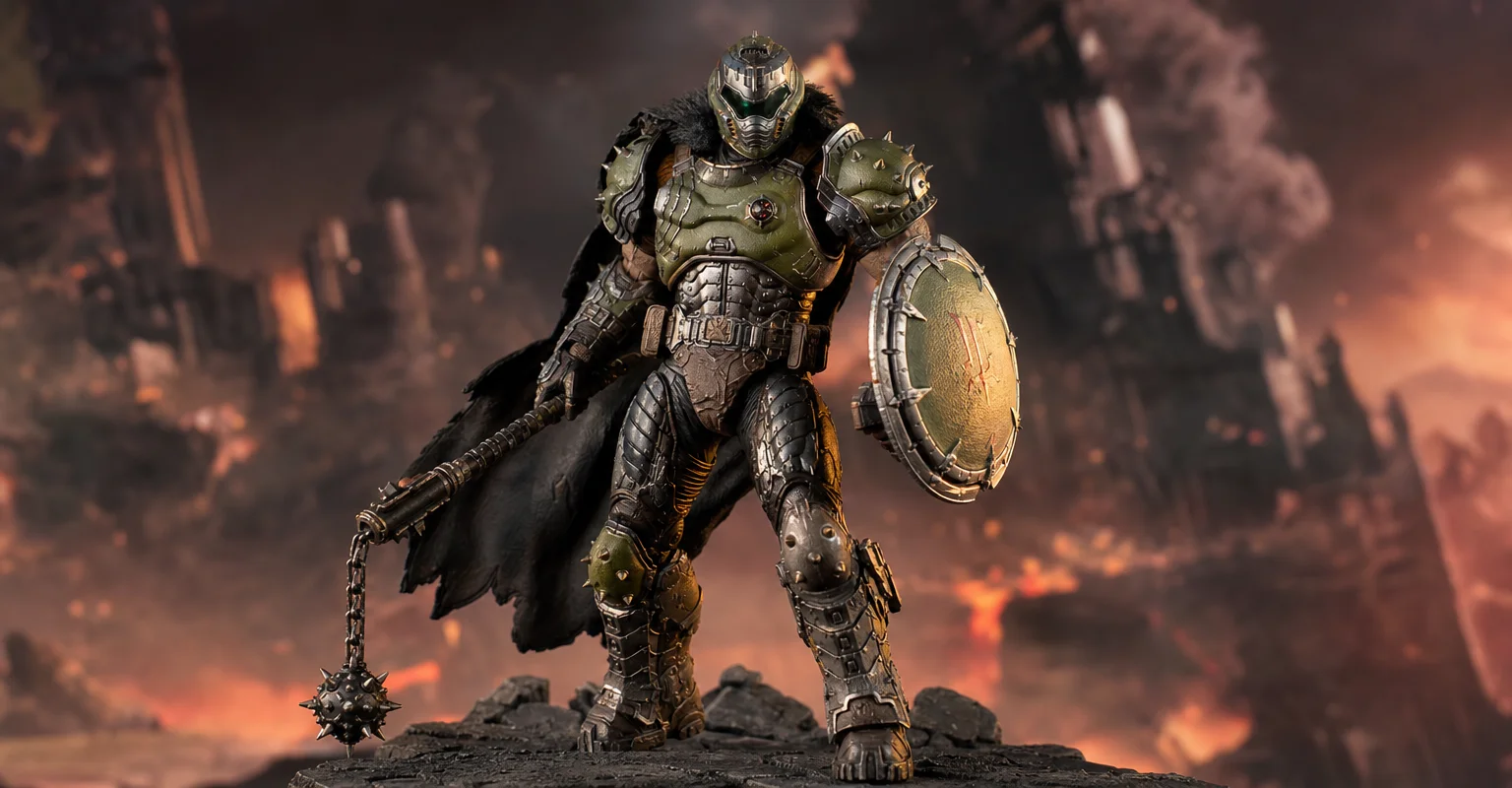
Pre-Order Alert: Good Smile Company Figma Doom: The Dark Ages – Doom Slayer DX Edition
The new Good Smile Company Figma Doom: The Dark Ages Doom Slayer DX Edition is more than a routine figure drop. It connects collector demand, franchise identity, and the wider appeal of Doom as one of gaming’s most durable icons.
Console 120Hz Traps: Wrong Port, Wrong Mode, and Hidden Limits
120Hz often fails because of simple mismatches: wrong HDMI port, wrong input mode, or disabled features. Use this quick checklist to get true 120Hz.
Capture and Overlays: When Recording Tools Add Delay and Spikes
Recording and overlays can change timing and feel. Use this checklist to isolate capture overhead and keep frametimes stable while streaming or clipping.
Windows Audio Mixer Traps: Why PC Audio Feels Inconsistent in Games
PC audio feels random when routing changes silently. Learn the mixer traps (default device switching, enhancements, app routing) and how to lock one stable path.
Spatial Audio Stacking: The Fast Way to Stop Confused Direction
Direction breaks when you stack spatial processing layers (game + system + headset app). Use one layer at a time and your cues become readable again.
Router Checklist for Gaming: The 10 Settings That Actually Matter
Most router tweaks are noise. Use this checklist to target stability under load: Wi-Fi environment, queue management, and sane defaults that reduce spikes.